
21 April 2026

London Prime Property Market 2026: Are Prices Finally at a Floor?

London skyline representing prime central London property market trends and 2026 real estate repricing

A Market in Reset, Not Decline

It is easy to misinterpret the current phase of the London market as one of weakness. In reality, what is taking place is a repricing—an adjustment following a prolonged period of political uncertainty, rising interest rates, and shifting tax dynamics.

In many areas of Prime Central London, values remain below previous peaks in real terms. However, this adjustment has been neither disorderly nor uniform.

Instead, the market has become increasingly selective.

- Best-in-class properties continue to attract interest

- Secondary stock is facing greater pricing pressure

- Buyers are more deliberate, but still active

This is not a retreat. It is a transition toward a more rational market environment.

The Emergence of a Two-Speed Market


One of the defining characteristics of the current landscape is the divergence between asset types.

Family houses in established, supply-constrained locations are proving notably resilient. By contrast, certain segments of the apartment market—particularly those with high service charges or weaker micro-locations—are experiencing longer selling periods and greater pricing sensitivity.

This “two-speed” dynamic reflects a broader shift in buyer priorities:

- quality over quantity

- liquidity over novelty

- long-term usability over short-term appeal

The result is a clearer distinction between assets that preserve value and those that require greater pricing flexibility.

The Return of Negotiation


Perhaps the most significant shift is the return of negotiating power.

In recent years, competitive bidding often limited the ability to secure meaningful discounts. Today, longer marketing periods and a more cautious buyer pool are creating conditions in which pricing can be discussed more openly.

This is particularly evident in the £2M–£10M range, where:

- stock levels are more balanced

- sellers are increasingly pragmatic

- transactions are progressing through structured negotiation rather than speed

For well-advised buyers, this environment offers something that has been largely absent from the London market for years - the ability to buy well, rather than simply to buy quickly.

Liquidity: A More Nuanced Picture


Transaction volumes across London have been subdued, leading to a perception of reduced liquidity. However, this requires a more nuanced interpretation.

Liquidity has not disappeared - it has become more selective.

Properties that are correctly priced, well located, and aligned with current buyer expectations continue to transact efficiently. Others, where pricing expectations remain anchored to previous market cycles, are taking longer to clear.

In this sense, liquidity is no longer universal. It is earned.

Demand Drivers Remain Intact


Despite short-term adjustments, the structural drivers underpinning London’s appeal remain firmly in place.

The city continues to offer:

- a transparent legal system

- global financial relevance

- deep international buyer demand

- a stable currency environment relative to many alternatives

In addition, continued growth in sectors such as technology and artificial intelligence is reinforcing London’s role as a global employment hub, supporting long-term housing demand.

At the very top end of the market, activity remains present, though more discreet and selective.

Where the Opportunities Lie


In a more disciplined market, opportunity is defined less by timing and more by asset selection.

Across London, current listings illustrate a clear hierarchy of demand.

Well-configured two-bedroom apartments in the £1M–£2.5M range remain among the most liquid segments of the market. These properties continue to attract consistent interest, particularly where layout, location, and running costs are well balanced.

At a higher level, penthouses and premium apartments between £2M and £5M are increasingly negotiable. While demand remains, buyers are more selective - creating opportunities to secure high-quality assets on improved terms compared to previous cycles.

Meanwhile, family houses in established, supply-constrained neighbourhoods continue to demonstrate resilience. Limited availability, combined with enduring demand for space and long-term usability, supports values even as broader conditions adjust.

What is increasingly clear is that:

in today’s London market, value is not defined by segment - but by selection.

Where Caution Is Warranted


Equally important is recognising where risk may be higher.

- Secondary locations without enduring demand drivers

- Buildings with elevated service charges or structural inefficiencies

- Assets driven primarily by lifestyle appeal rather than long-term fundamentals

In a rising market, such distinctions are often blurred. In the current environment, they are decisive.

A Market Defined by Precision


The London market of 2026 is not characterised by urgency or speculation. It is defined by precision.

Buyers are more informed. Sellers are more realistic. Transactions are more deliberate.

For some, this will feel less dynamic than previous cycles. For others—particularly those focused on long-term value—it represents a more rational and navigable environment.

Conclusion


London has not lost its position as one of the world’s leading property markets. It has simply entered a different phase.

A phase defined by:

- recalibrated pricing

- renewed negotiation

- and heightened asset selectivity

In such an environment, advantage no longer lies with speed or sentiment- but with judgment.

For investors willing to engage on these terms, 2026 may prove to be a quietly compelling entry point into Prime London property.

Back

The latest press articles

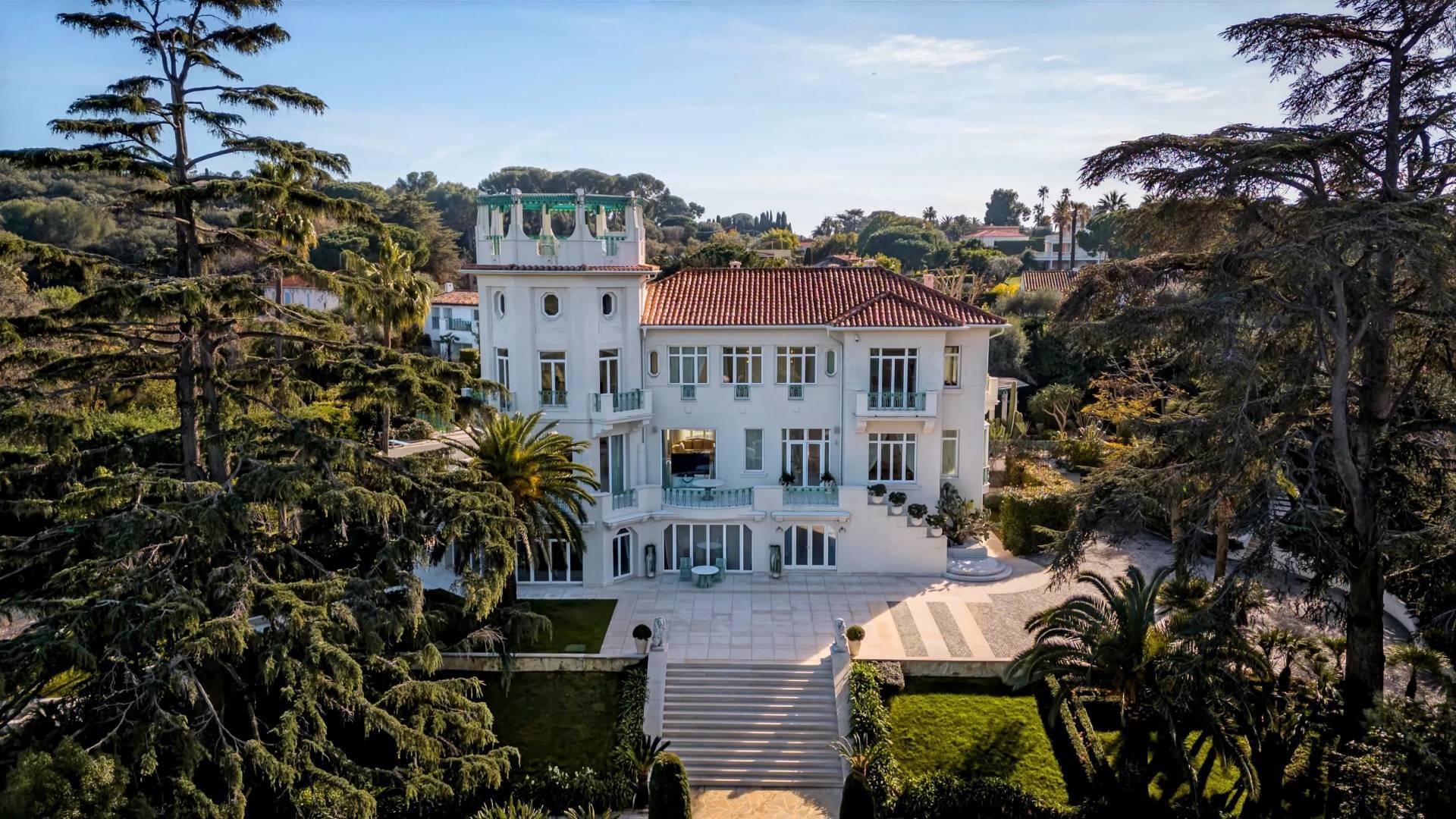
  • Chateau du Cap exceptional luxury residential estate for sale in Cap d'Antibes France

    What Is a Family Office? Inside the Private Wealth Real Estate Shift

    Family offices control trillions in private wealth globally—and real estate sits at the absolute heart of how they deploy it. 

    While traditional buyers rely on public listings, these ultra-high-net-worth structures operate with institutional discipline and an uncompromising preference for off-market access. 

    For anyone navigating the upper echelons of the luxury property market, understanding how family offices are quietly rewriting the rules of acquisition is no longer optional.

    Read more
  • Aerial view of a private luxury villa with an infinity pool overlooking the Pampelonne coastline near Saint-Tropez, surrounded by pine trees and Mediterranean scrubland, on a clear summer day.

    Saint-Tropez Villa Rentals 2026: Prices, Availability & Insider Guide

    Saint-Tropez in summer 2026 is a landlord’s market - and it has been for some time.

    Peak-week villa rates have climbed 12–18% since 2024, the best properties are booked nearly a year in advance, and a growing share of trophy lets never appear on any public platform.

    For those still planning a French Riviera summer, the window is narrow but not closed. This guide covers where prices stand, which zones still offer availability, and what the most experienced renters do to secure exceptional properties when the obvious options are gone.

    Read more
  • Two luxury sports cars on a waterfront street in Monte Carlo, with upscale shops, high-rise buildings, and green hills in the background.

    Dubai vs Monaco - Where Billionaires Buy in 2026

    Two zero-tax jurisdictions. Two fundamentally different investment theses. In 2026, the choice between Dubai and Monaco has become more nuanced — and more consequential — than at any point in the past decade. Polarius analyses both markets in depth.

    Read more
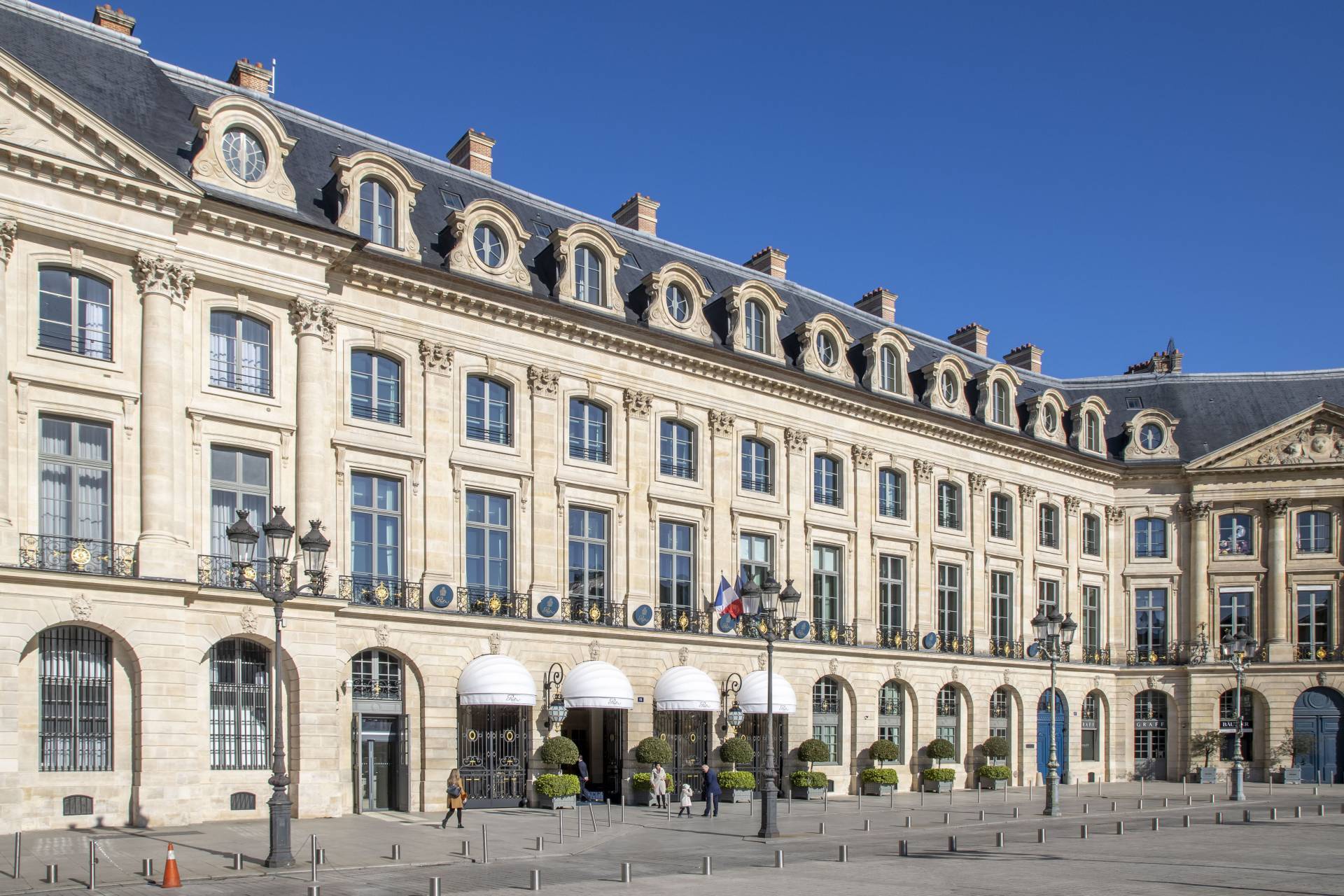
  • Hôtel Ritz Paris, Place Vendôme — emblematic of European trophy hospitality assets driving institutional investment in 2026

    The Off-Market Shift: European Luxury Hotel Investment in 2026

    For much of the post-pandemic cycle, European hotel investment has been characterised by openly marketed processes — published teasers, structured information memoranda, broker-led auctions. That model is now being quietly displaced at the upper end of the market. The largest trophy transactions of 2026 are moving under exclusivity, intermediated through closed networks, and concluding with a single qualified buyer.

    For institutional capital, family offices and sovereign vehicles, the question is no longer whether the right opportunities exist in European luxury hospitality. It is how to access them.

    Read more
  • Rolling hills and stone estate in Le Marche, Italy — luxury property market insight | Polarius Real Estate

    Le Marche: The Last Undervalued Luxury Market in Italy

    While Tuscany and the Amalfi Coast have long captured the imagination of international buyers, a quieter story has been unfolding further up Italy's Adriatic coast.

    Le Marche - five provinces of medieval hilltowns, pristine coastline and UNESCO heritage - offers everything its more famous neighbours do, at prices that remain, by any European luxury standard, startlingly undervalued.

    In 2026, with Italy's flat tax regime now attracting serious ultra-high-net-worth attention and national property prices rising at their fastest rate in a decade, the window for early-mover advantage is narrowing. This is the case for Le Marche.

    Read more
  • Belle Époque luxury villa overlooking the Mediterranean in Hyères on the French Riviera

    Why Hyères Is Quietly Becoming the French Riviera’s Next Luxury Escape

    For decades, the narrative of Riviera luxury has revolved around the same names: Saint-Tropez, Cannes, Cap-Ferrat and Monaco. Yet a subtle shift is beginning to emerge among high-net-worth travellers and second-home buyers searching for something increasingly rare on the Côte d’Azur: privacy, authenticity and space.

    That shift is bringing new attention to Hyères.

    Long appreciated by sailors, artists, nature lovers and discerning French families, Hyères has historically remained outside the international luxury spotlight that transformed other Riviera destinations into global status symbols. Today, however, changing travel behaviour and evolving definitions of luxury are positioning this Mediterranean town as one of the most interesting emerging lifestyle destinations in Southern Europe.

    Read more
  • Mykonos luxury villa with infinity pool overlooking the Aegean Sea alongside an Ibiza villa with panoramic Mediterranean sea views — Polarius International Real Estate Summer 2026 guide

    Mykonos vs Ibiza? The Definitive Luxury Villa Guide for Summer 2026

    Mykonos or Ibiza? Two icons of Mediterranean luxury, two entirely different summer experiences — and very different price points. Our 2026 guide compares villa rental costs, atmosphere, guest profiles and availability across both islands, with a curated selection of exceptional properties for private rental this summer

    Read more
  • Luxury Bali villa resort with infinity pool and tropical hillside landscape in daylight, highlighting real estate investment opportunities for international buyers in Bali 2026

    Bali Real Estate Market Insights 2026

    An in-depth look at the Bali real estate market in 2026, covering pricing, yields, zoning, compliance, tourism demand and the areas drawing the strongest investor interest. From Uluwatu and Pandawa to Canggu, Seminyak and Ubud, this guide outlines the key opportunities and risks for international buyers considering Bali property.

    Read more
  • Panoramic sea view from an off-market penthouse in Cap-d’Ail on the Côte d’Azur

    Côte d'Azur Property Market 2026: Where Luxury Buyers Are Looking Beyond Cannes and Monaco

    The Côte d’Azur luxury market continues to show resilience in 2026, with growing demand for rare off-market homes in prime locations close to Monaco. Buyers are increasingly focused on panoramic sea views, privacy, outdoor living space and turnkey properties in sought-after destinations such as Cap-d’Ail and Villefranche-sur-Mer.

    Read more
  • Luxury penthouse in Malta sold to UK buyers amid global uncertainty, showcasing Malta’s resilient property market

    Malta Property Market 2026: Resilience, Prices & Why UK Buyers Are Still Buying

    March marks Malta’s Independence and Freedom Day - a reminder of the island’s political stability and enduring appeal to international investors. Even amid global uncertainty, Malta’s property market remains resilient, attracting high-value buyers, as demonstrated by the recent sale of a luxury penthouse to UK investors.

    Read more

This site is protected by reCAPTCHA and the Google Privacy Policy and Terms of Service apply.