
en
EUR
en
EUR

At Polarius Real Estate, we know that intelligent property decisions are driven by more than instinct - they’re powered by insight.
This section offers our latest perspectives on the forces shaping international luxury real estate, from regional growth trends and investment patterns to the dynamics of high-end rentals and off-market opportunities. Whether you're acquiring a villa on the Côte d’Azur, investing in hospitality assets in Bali or analysing market entry in Abu Dhabi, our insights aim to bring clarity to a complex global landscape.
With real estate offerings across France, Italy, the UAE, the UK, Malta and Indonesia, we combine on-the-ground knowledge with international reach. Our analysis blends economic context, lifestyle considerations, and real-time data from our own transactions - offering a unique view into where the global real estate market is, and where it’s going.
Our Market Insights are designed for serious buyers, investors and real estate professionals who want to go beyond the headlines. You’ll find region-by-region updates on pricing trends, buyer demand, inventory shifts and investment appetite - all curated from our global network and client activity.
We also publish commentary on commercial property movement, hotel and hospitality trends and the growing role of private equity and family office strategies in both on and off-market acquisitions.
For those interested in seasonal opportunities, we provide regular updates on luxury rental markets in the French Riviera, Mykonos and Ibiza - from price fluctuations and occupancy data to guest preferences and lifestyle demand.
Our property insight briefs offer a concise, data-backed overview of the most relevant shifts in global property markets - written for those who value accuracy, discretion and real-world application.
Whether you’re expanding your portfolio, acquiring your next residence, or preparing to sell a prized asset, understanding the market is essential. At Polarius, we don’t just follow trends - we operate within them.
This isn’t theory. It’s what we see on the ground, every day - across listings, negotiations and high-level client transactions. Our goal is to turn that experience into useful intelligence for our clients and partners around the world.
For more news and editorial content, explore our News section, or view our latest media features on the Press page. For bespoke market advice or a tailored investment briefing, please don’t hesitate to get in touch.
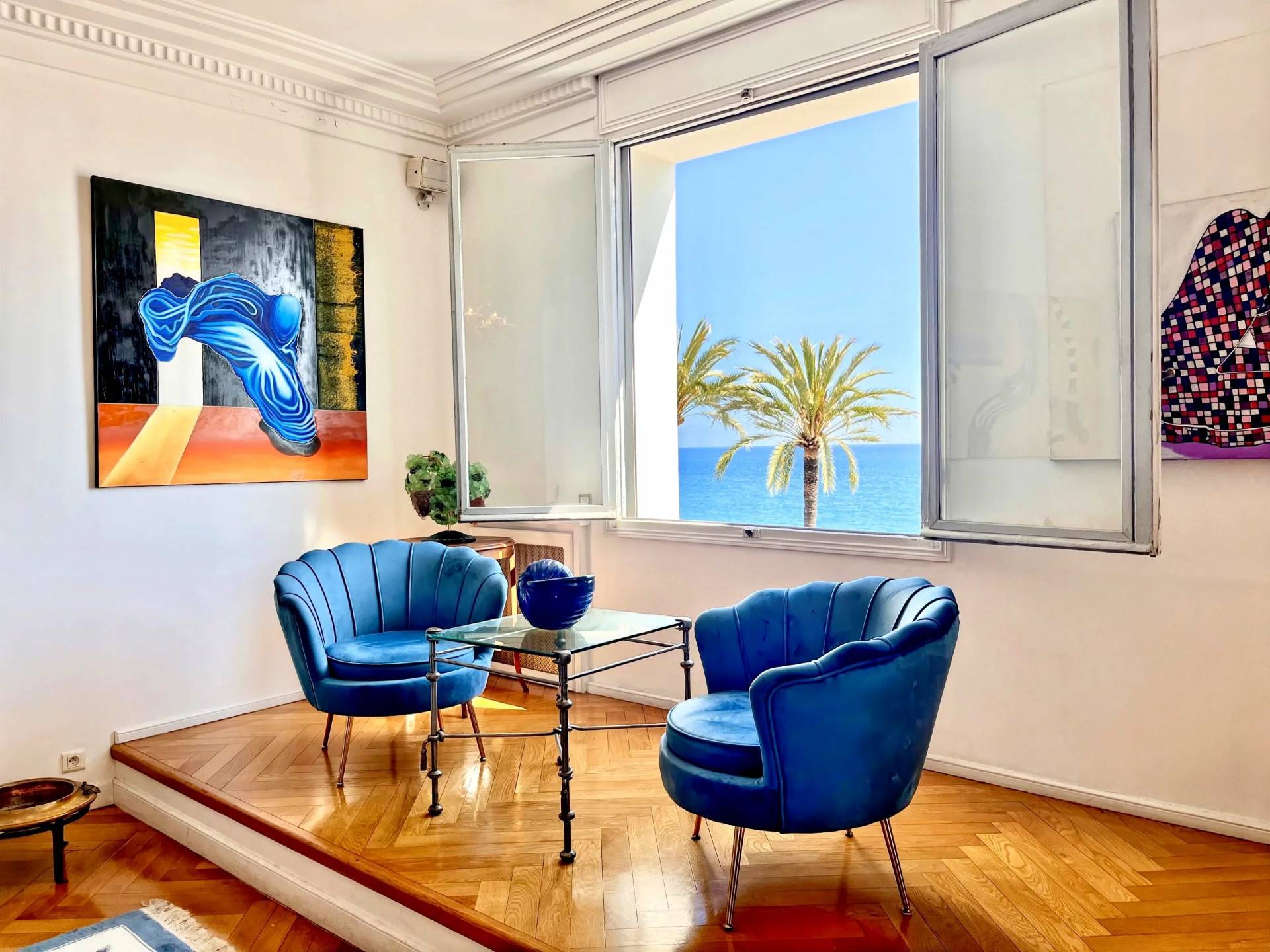
Transaction data across Polarius Real Estate's French Riviera portfolio points to an unmistakable surge in mid-prime acquisitions in Nice between €450,000 and €1.2 million. Unencumbered cash buyers from London, New York, California, and Canada are driving this activity—leveraging high domestic equity to acquire turn-key pieds-à-terre and spacious Bourgeois apartments in prime city-center enclaves. Combining year-round urban vitality, direct international air connectivity, and exceptional relative value compared to Anglo-American capitals, Nice has emerged as the premier risk-adjusted residential play on the Mediterranean.
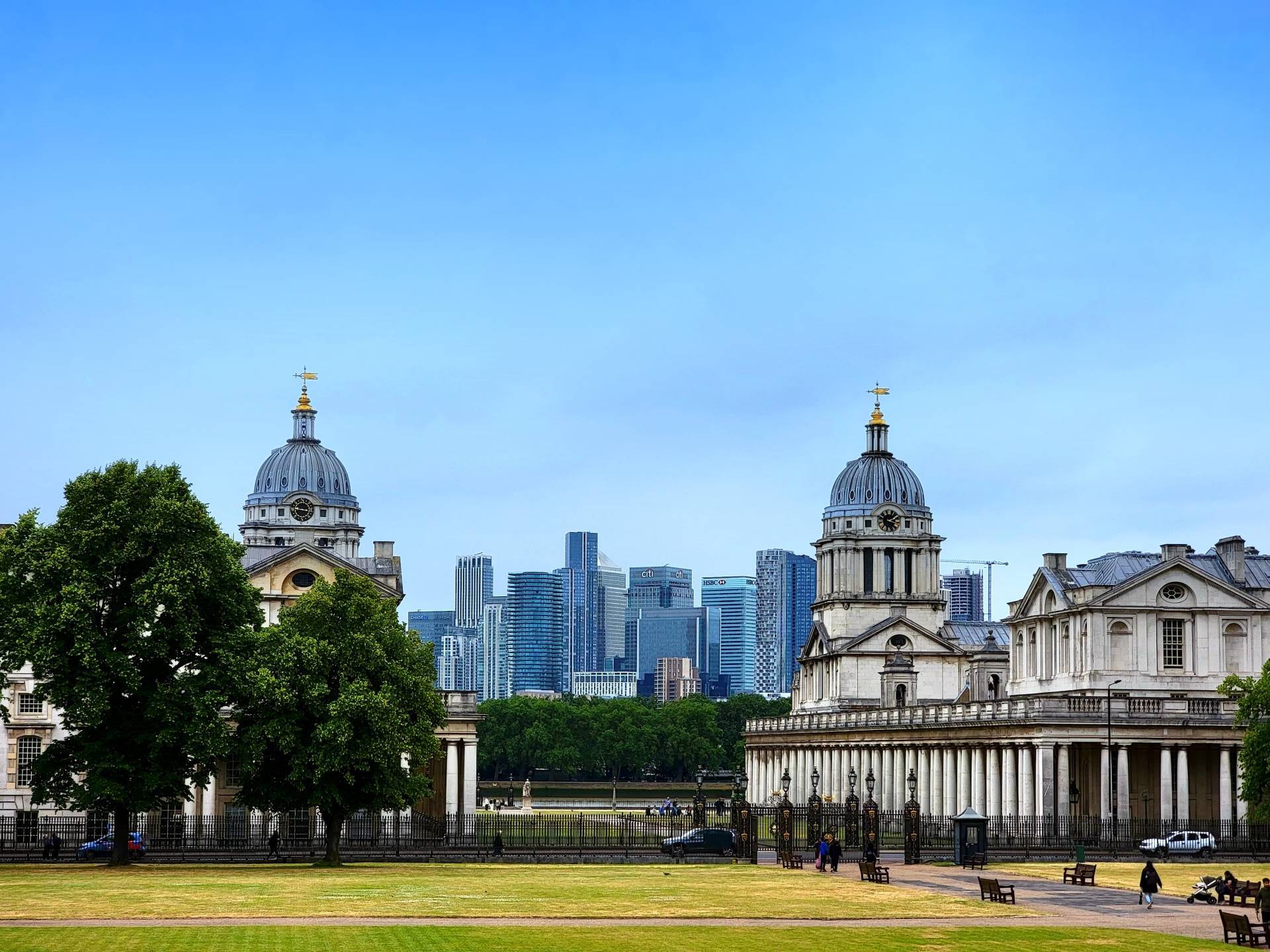
Greenwich Peninsula is the largest single urban regeneration project in central London, occupying what was once Europe’s largest gasworks — a facility that spanned 240 acres and produced 400 million cubic feet of gas daily at its mid-1960s peak. Today, the same bend of the River Thames holds an approved masterplan for 17,487 homes across 150 acres, with 3,479 already completed. Located one Jubilee line stop from Canary Wharf and two stops from London Bridge, it is the only place in Zones 2 and 3 where a buyer can still secure a brand-new, direct riverfront apartment for under £500,000.
Timing is the most compelling aspect. London prices fell 3.3 per cent in the year to July 2026, with flats being England’s weakest property type at a 2.3 per cent drop. Greenwich, however, dipped just 1.4 per cent over the same period — clearly outperforming the capital — while private rents in the borough rose 6.1 per cent against 3.5 per cent for London overall. This guide compares our portfolio on the peninsula, which averages a weighted £942 per square foot across eighteen listed properties, with the underlying resale market, and explains what that differential is actually measuring.
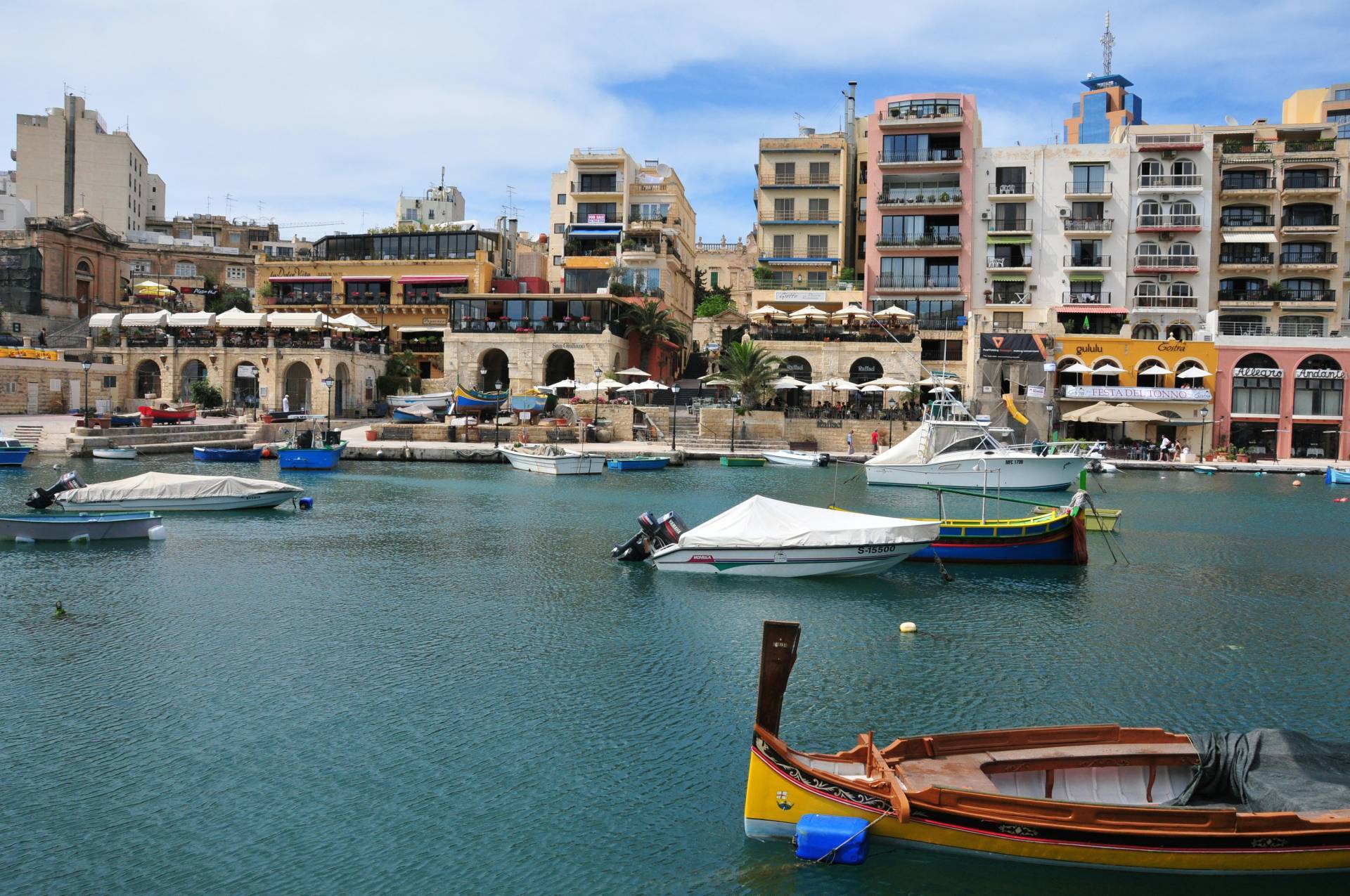
St Julian's is the most internationally owned square mile in the Maltese islands, and the numbers make the case more plainly than any brochure. Of the 14,709 people recorded as living in the town in July 2024, 8,614 — a little under 59 per cent — were foreign nationals, packed into 1.6 square kilometres at a density of some 9,200 residents per square kilometre. This is not a resort that empties in October. It is a working, year-round international community with a Michelin-starred restaurant, Malta's tallest building and two of the island's Special Designated Areas inside its boundaries.
For buyers, that combination produces an unusually legible market. Asking prices across St Julian's currently sit at a median of €6,719 per square metre, while Polarius stock in the district is priced at a blended €9,723 per square metre — a 45 per cent premium that is not a mispricing but a measure of the gap between the district's ageing secondary stock and its tower-and-marina prime tier. Understanding that gap is the whole exercise.

Ask five people in Bali what happened to foreign property investment in June 2026, and you will likely get five different answers — a freehold ban, a PT PMA shutdown, a licensing overhaul, or nothing much at all. The confusion is understandable. Three genuinely separate regulatory threads landed within a few months of each other: a provincial crackdown on nominee ownership in February, a closure of new company registration in a defined list of business categories from around May, and a routine national reclassification of business codes with an administrative deadline in June. Only one of those three is actually new and restrictive. The other two are being widely misdescribed.
This matters because the practical question for a foreign buyer — or a foreign owner already holding property through a PT PMA — is not "is freehold banned." It never was available in the first place, as Part I sets out. The real question is narrower and more useful: can a new PT PMA still be registered to buy Bali property today, in which business categories, at what scale, and what happens to a company that was set up before any of this started.
Below, we work through what closed, what is merely being reorganised, what the workarounds being used in practice actually look like, and — a question we are increasingly asked directly — what it means if you already hold a Bali property through a PT PMA and want to sell it on.

For years, the phrase "freehold in Bali" has done a lot of quiet work in property conversations — used loosely by agents, buyers and even some notaries to describe land that, on paper, sits in someone else's name. It was never quite true, but it was rarely tested.
In February 2026, it was tested. A new Bali provincial regulation put criminal penalties behind rules that had existed on paper since 1960, and closed off an arrangement thousands of foreign owners had relied on. For much of the year, agents, notaries and lawyers across the island gave different answers to the same question: can a foreigner still buy freehold in Bali?
Below, we set out what actually changed, what it means if you already own, and the routes that remain genuinely open to foreign buyers in the second half of 2026.
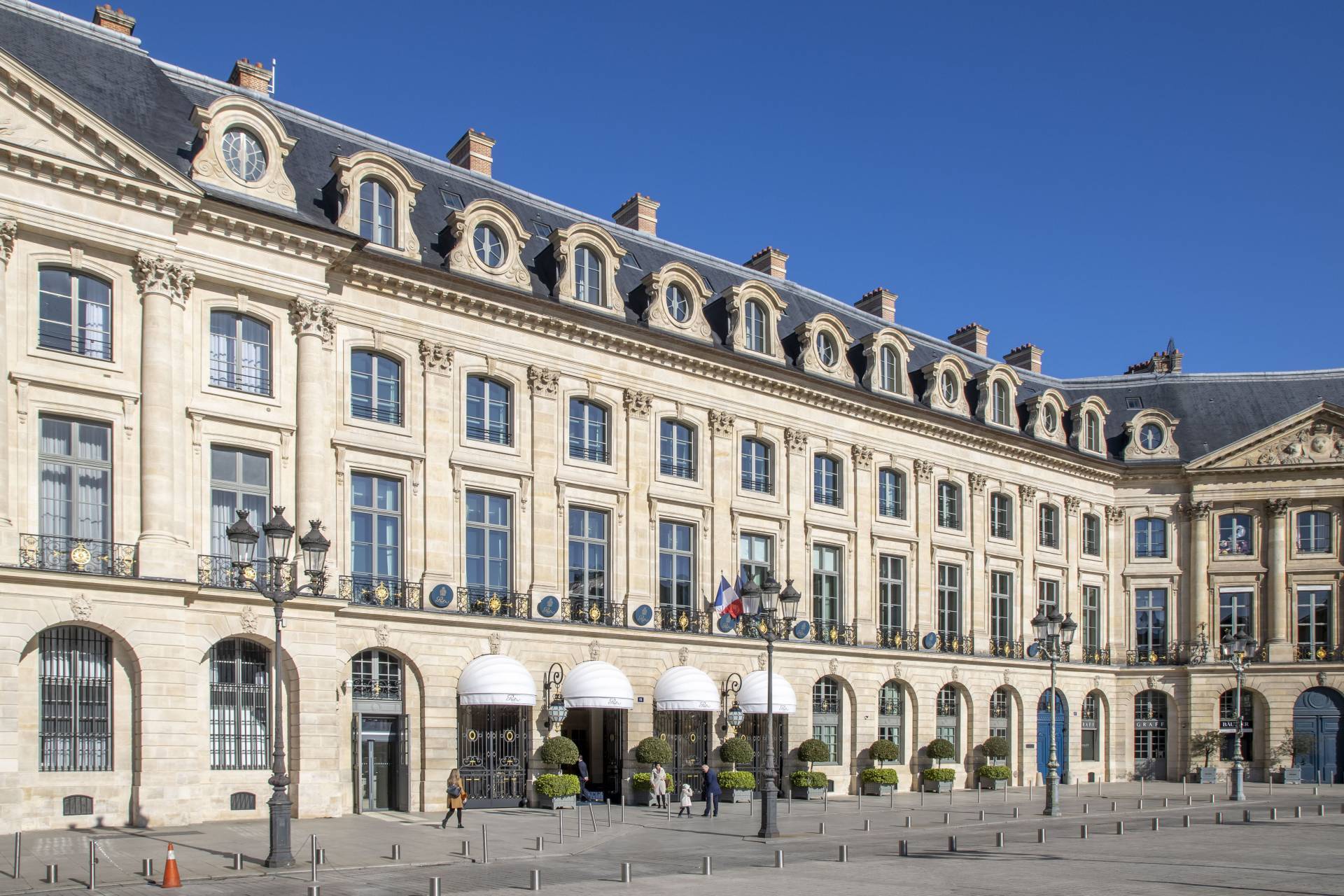
For much of the post-pandemic cycle, European hotel investment has been characterised by openly marketed processes — published teasers, structured information memoranda, broker-led auctions. That model is now being quietly displaced at the upper end of the market. The largest trophy transactions of 2026 are moving under exclusivity, intermediated through closed networks, and concluding with a single qualified buyer.
For institutional capital, family offices and sovereign vehicles, the question is no longer whether the right opportunities exist in European luxury hospitality. It is how to access them.
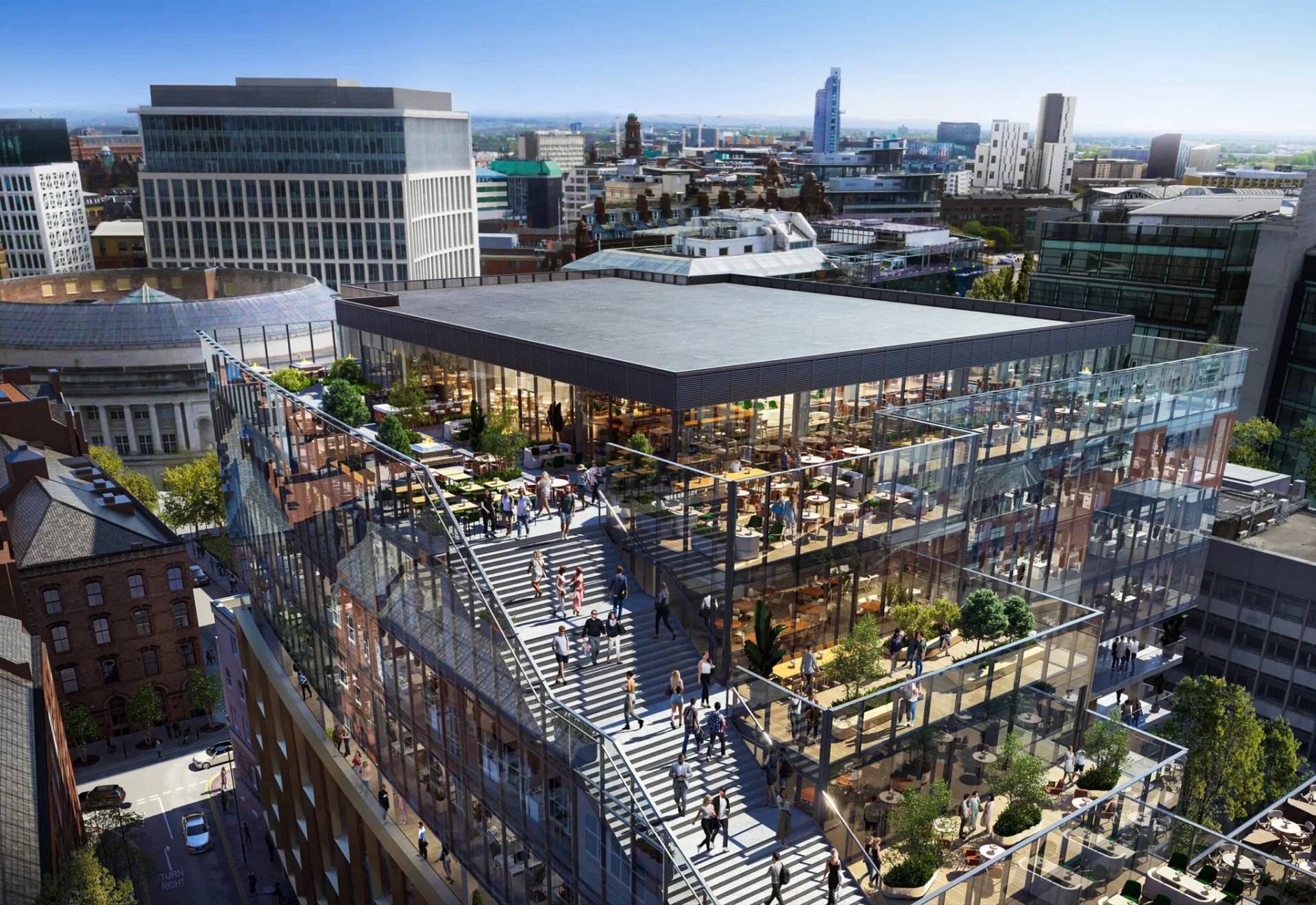
Britain's new Prime Minister spent nine years running Greater Manchester before he ran the country — and the property market he leaves behind tells you what his regeneration playbook actually looks like in practice. Here's what Andy Burnham built, why it worked, and whether it can be repeated elsewhere in the UK.
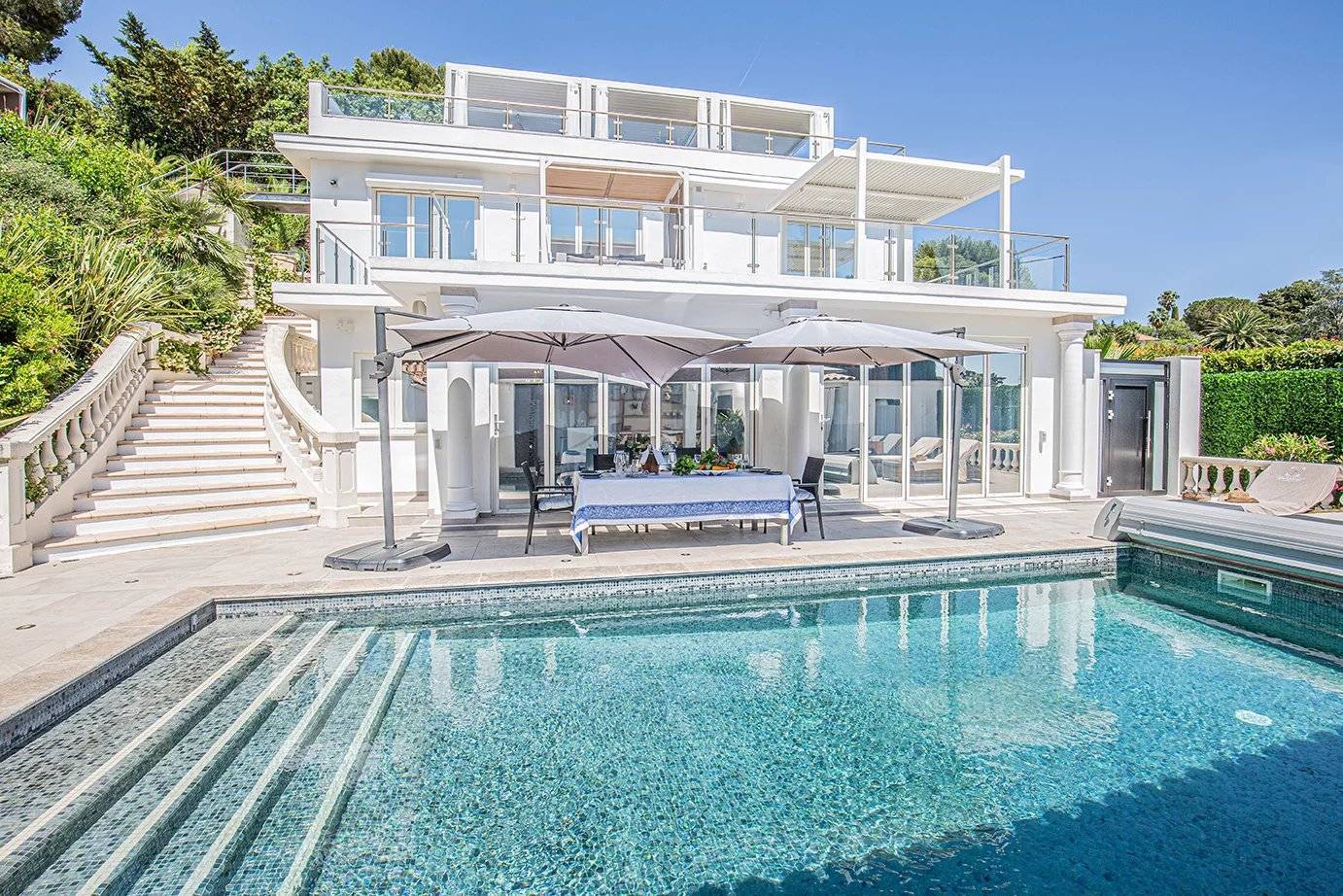
Every summer on the Côte d'Azur ends the same way for a certain kind of renter: with the question of what it would actually cost to own. This analysis sets out the full financial picture — acquisition costs, annual running costs, the French notary fee structure, and the break-even point at which buying a property on the French Riviera becomes the sharper decision. If you are spending €80,000 or more per year on Riviera rentals, the numbers here are for you.
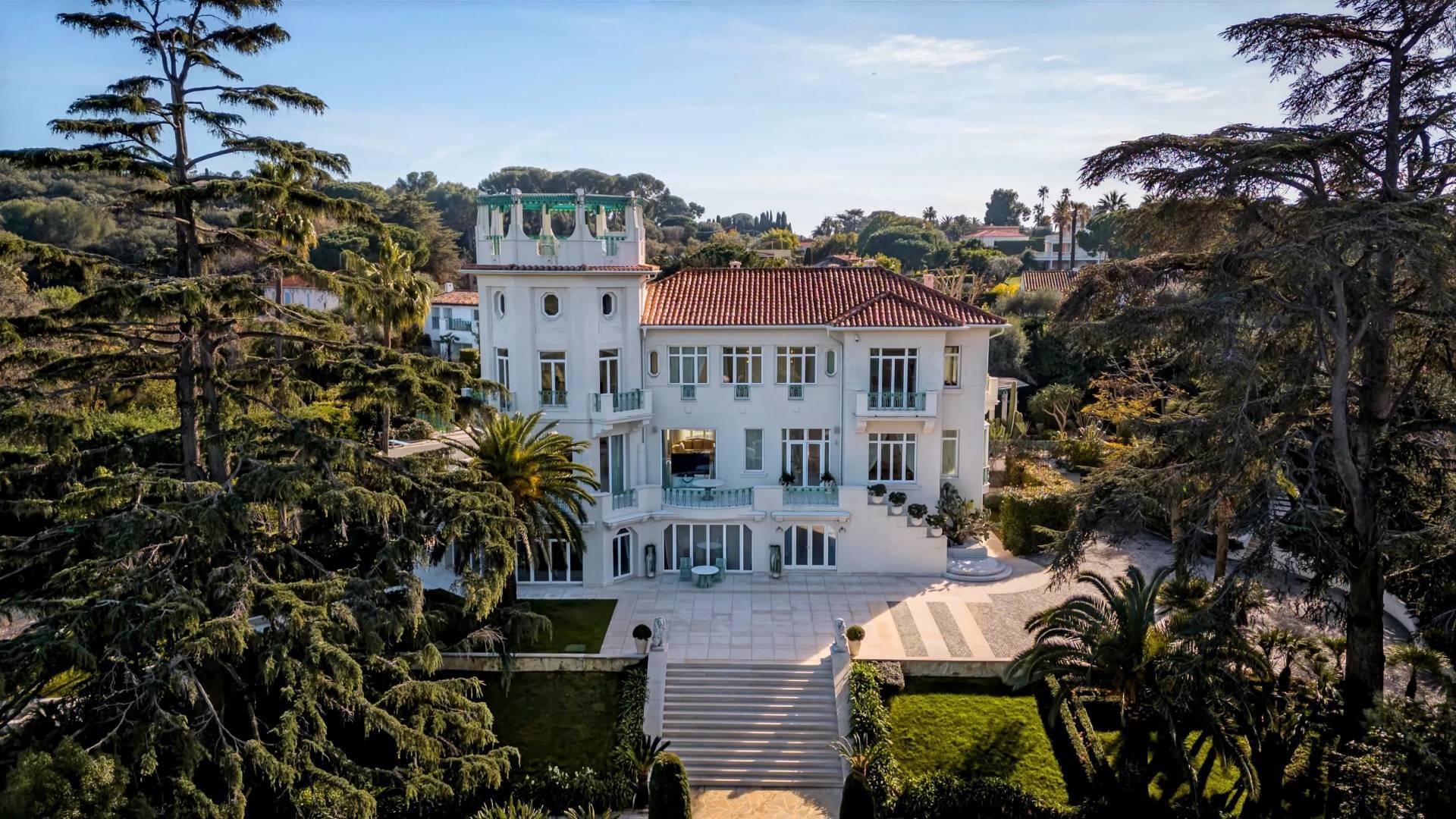
Family offices control trillions in private wealth globally—and real estate sits at the absolute heart of how they deploy it.
While traditional buyers rely on public listings, these ultra-high-net-worth structures operate with institutional discipline and an uncompromising preference for off-market access.
For anyone navigating the upper echelons of the luxury property market, understanding how family offices are quietly rewriting the rules of acquisition is no longer optional.
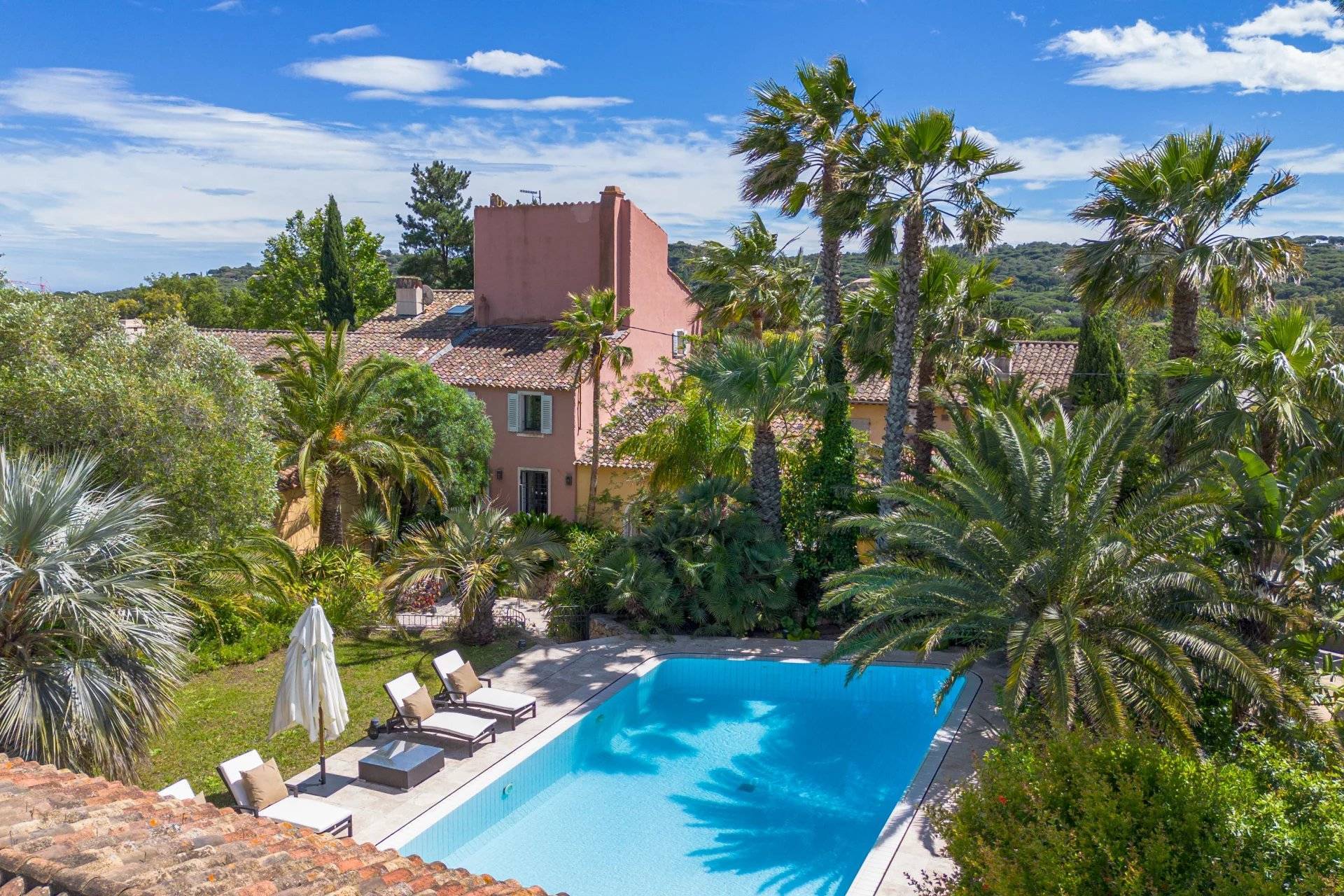
Saint-Tropez in summer 2026 is a landlord’s market - and it has been for some time.
Peak-week villa rates have climbed 12–18% since 2024, the best properties are booked nearly a year in advance, and a growing share of trophy lets never appear on any public platform.
For those still planning a French Riviera summer, the window is narrow but not closed. This guide covers where prices stand, which zones still offer availability, and what the most experienced renters do to secure exceptional properties when the obvious options are gone.
This site is protected by reCAPTCHA and the Google Privacy Policy and Terms of Service apply.