
LGBTQ Resort & Hotel Investment in Europe: Why Boutique Hospitality in Southern France Is Emerging as a Strategic Opportunity
Explore two character-driven hospitality properties for sale in Occitanie — 5 & 7 in Roujan (Hérault) and a former gay chambres d’hôte in Ambax, Haute-Garonne — positioned within Europe’s growing LGBTQ travel market.
The LGBTQ resort and hotel sector in Europe has evolved from a specialist niche into one of the most dynamic and strategically compelling areas within the hospitality market. What was once concentrated in a handful of major urban “gay capitals” has broadened into a sophisticated, experience-driven segment that increasingly favours boutique properties in lifestyle destinations. For investors seeking differentiation, resilience, and long-term growth, Southern France now presents a particularly interesting opportunity.
This market insight is inspired by two properties currently offered for sale in France: 5 & 7 in Roujan (Hérault) and a former gay chambres d’hôte in Ambax, Haute-Garonne. Both illustrate how smaller-scale hospitality assets can align with structural growth trends in LGBTQ travel across Europe.
Europe remains one of the most established regions globally for LGBTQ tourism. Progressive legislation, high levels of social acceptance, and a strong calendar of Pride and cultural events have created a mature and confident travel environment. Cities such as Barcelona, Berlin and Amsterdam have long anchored the continent’s LGBTQ tourism economy. However, rising property prices, market saturation, and intense competition in these urban centres are prompting both travellers and investors to look beyond traditional city destinations.
Today’s LGBTQ traveller is increasingly motivated by authenticity and experience rather than nightlife alone. Boutique hotels, countryside retreats, wine tourism, gastronomy, and wellness-led escapes are all gaining traction. Privacy, design, and atmosphere now matter as much as location. This shift has opened the door to regional destinations that can offer cultural depth and lifestyle appeal without the density of metropolitan hubs.
Southern France is particularly well positioned within this transition. The Occitanie region, with vibrant cities such as Montpellier, combines Mediterranean climate, international accessibility, established tourism flows, and strong domestic demand. Beyond the major cities, smaller villages and wine-producing areas are attracting visitors seeking immersive and intimate stays. It is within this context that 5 & 7 in Roujan presents itself as a compelling hospitality investment.
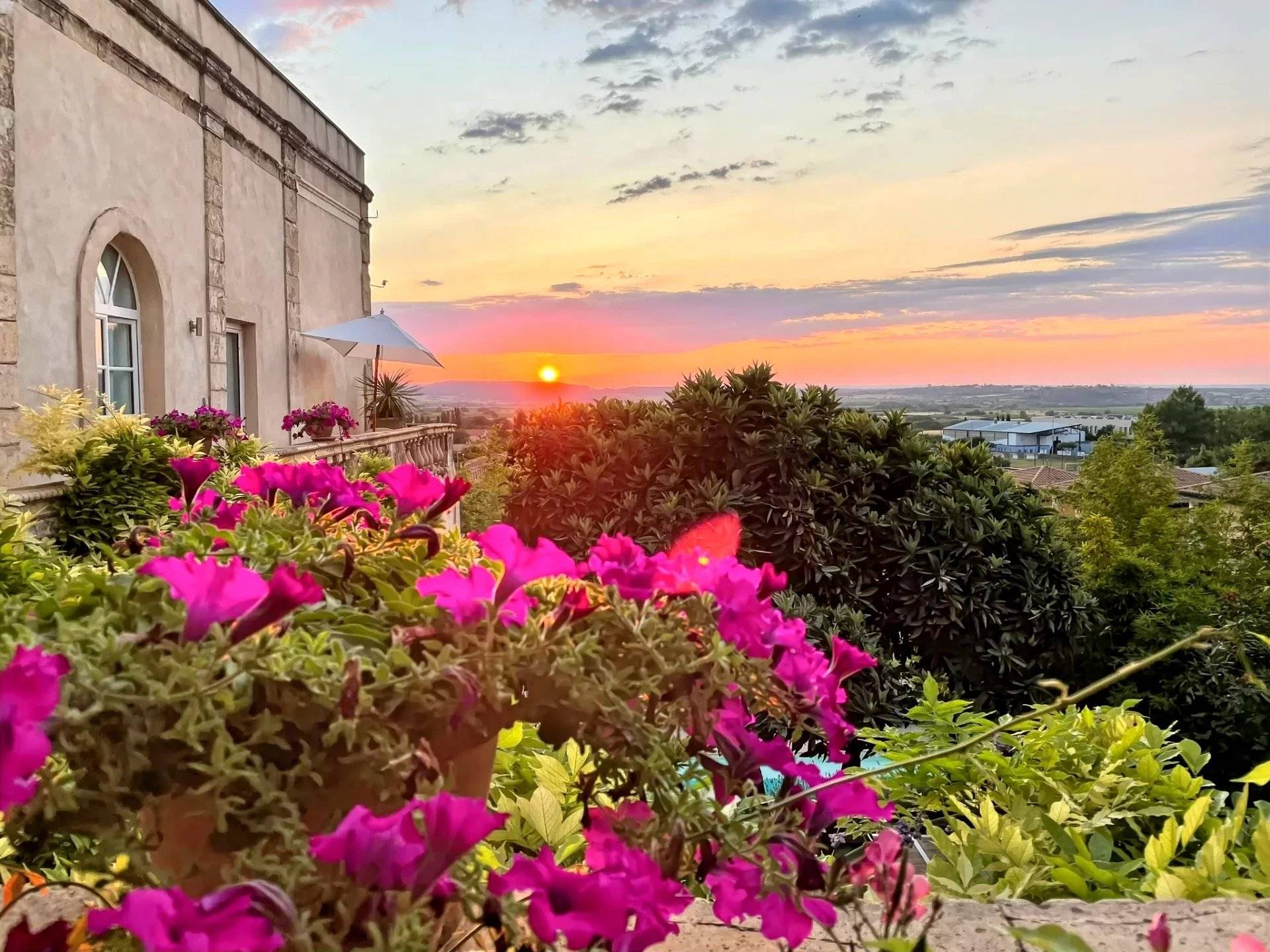
Located in the former Hérault department of Occitanie and surrounded by vineyards, heritage towns, and proximity to the Mediterranean coastline, 5 & 7 is a luxury boutique chambres d’hôte property currently offered for sale. Full details can be viewedhere.
As a character-driven property in a traditional French countryside setting, it reflects precisely the kind of scale and positioning that aligns with the next phase of LGBTQ-focused hospitality. Rather than competing on volume, it offers the potential to compete on identity, curated experiences, and loyal repeat clientele. In a market where emotional connection and inclusivity increasingly drive booking decisions, that positioning can translate into long-term brand value.
Similarly, the former gay chambres d’hôte in Ambax, located in the Haute-Garonne department of Southwest France, represents another example of this boutique investment model. Also currently for sale, details can be found here.
Chambres d’hôtes have historically played an important role in LGBTQ travel across France, offering discretion, warmth, and community-led hospitality. A property in Haute-Garonne benefits from proximity to regional hubs such as Toulouse while retaining the tranquility and authenticity that rural travellers increasingly seek. For an investor, such a property provides the opportunity either to continue operating within an LGBTQ-focused niche or to reposition within the broader boutique countryside market.
From an investment perspective, the structural drivers supporting LGBTQ hospitality in Europe remain strong. Travel frequency within the community is high, brand loyalty is significant when inclusivity is genuine, and digital marketing now allows targeted positioning with precision. Boutique properties that authentically embrace inclusive values often achieve differentiated market presence compared to generic independent hotels.
Importantly, secondary destinations across Southern France are not yet saturated with explicitly LGBTQ-positioned hospitality. This creates space for strategic brand development and first-mover advantage. While established cities will always attract core tourism flows, long-term growth is increasingly visible in culturally rich regional markets where authenticity and privacy are part of the appeal.
In this evolving European landscape, both 5 & 7 in Roujan and the former gay chambres d’hôte in Ambax represent more than property transactions. They sit within a broader narrative: the maturation of LGBTQ travel, the shift toward boutique experiential stays, and the investment case for Southern France as a lifestyle and hospitality destination.
For investors seeking an entry point into the LGBTQ hotel market in Europe — or those looking to acquire a character-driven hospitality asset with repositioning potential — these properties provide tangible examples of how market trends intersect with real estate opportunity.