25 June 2026

Renting vs Buying on the French Riviera: The Summer Calculation

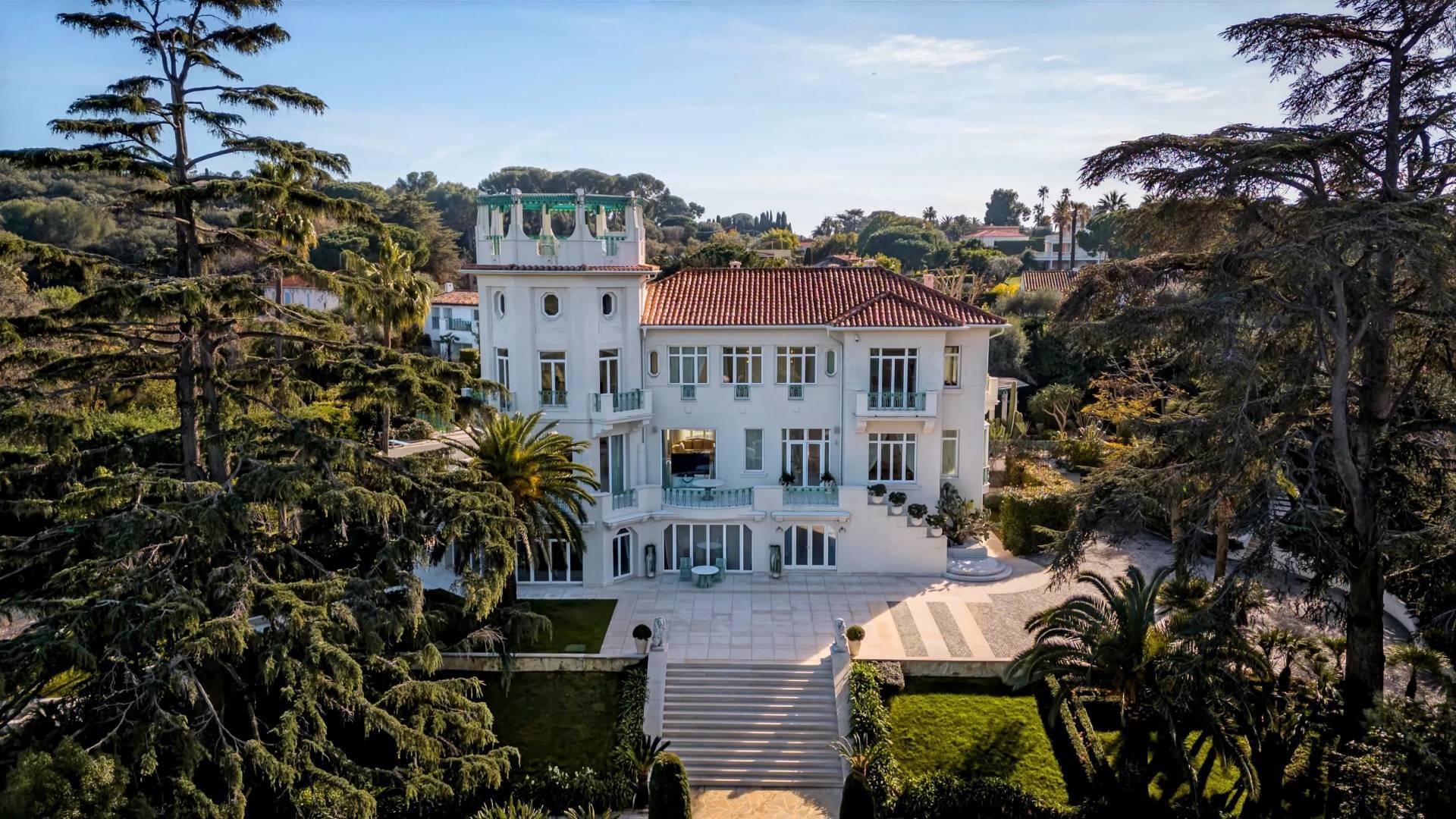
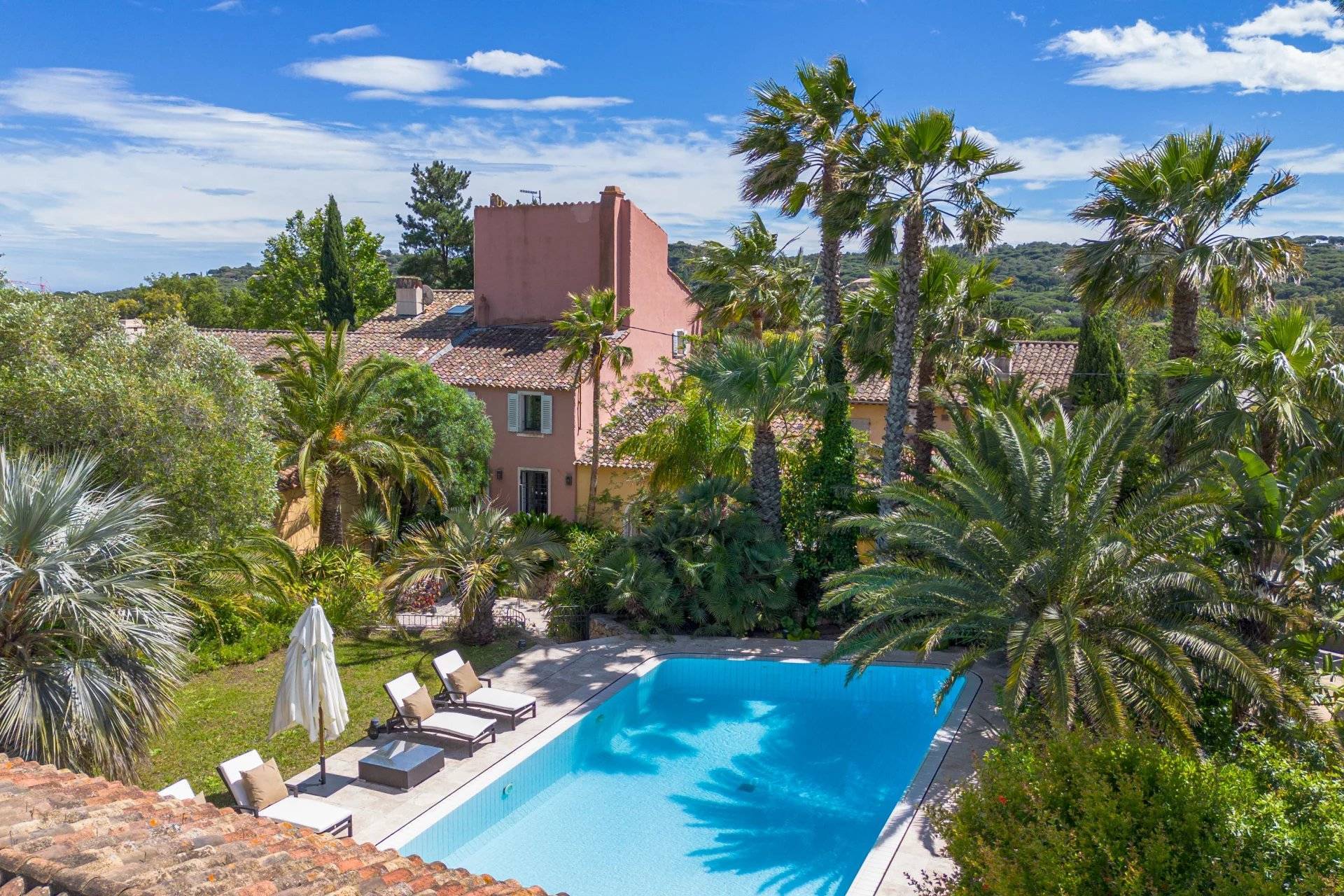
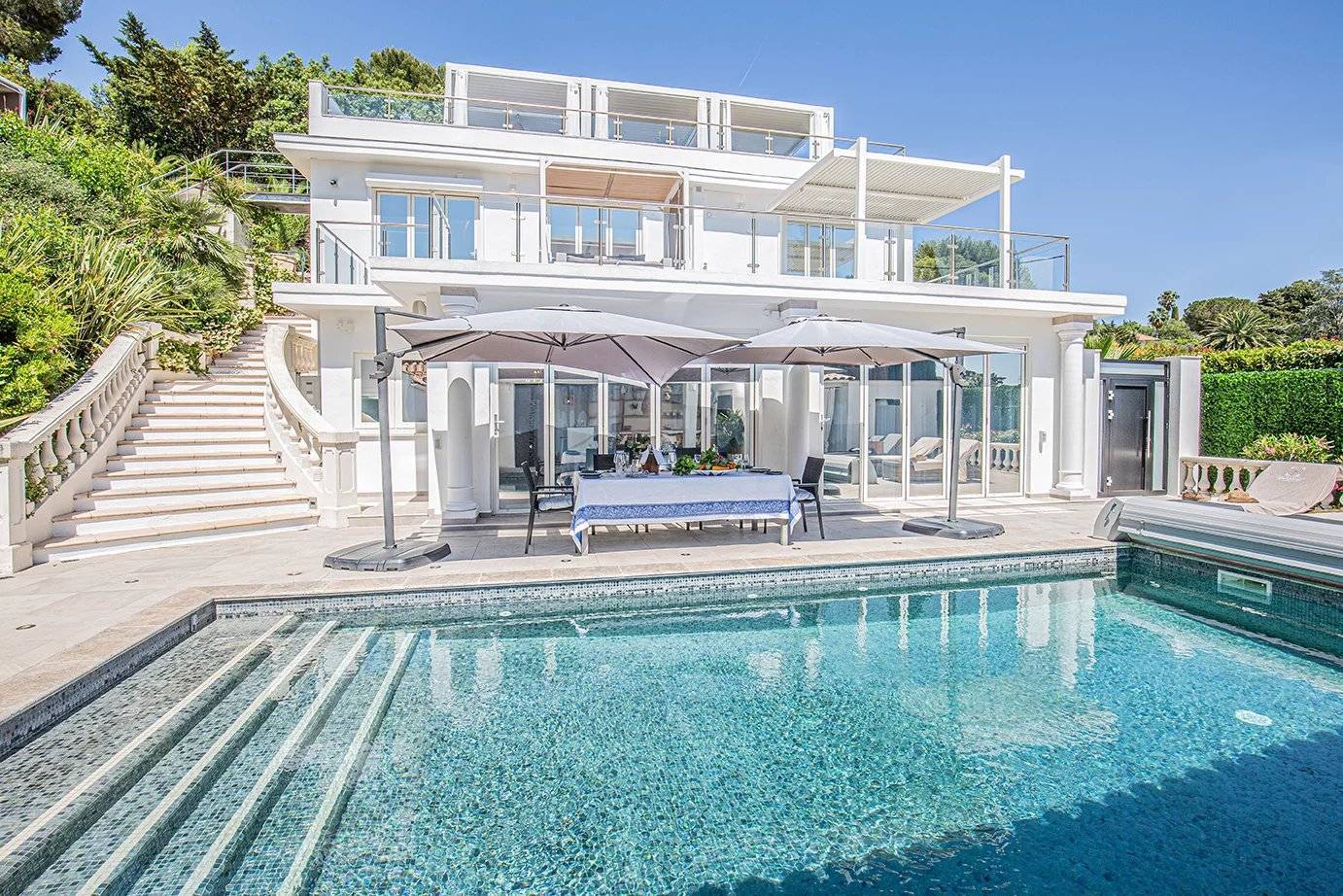
Luxury villa with private pool and sea views on the French Riviera — renting vs buying on the Côte d'Azur, Polarius Market Insights 2026
Market Insights  ·  French Riviera

Renting vs Buying on the Côte d'Azur: The Summer Calculation

If you've spent another summer renting on the Riviera, the question is inevitable. What would it actually cost to own? We run the numbers — honestly, and in full.

By Rhodri Ellis Owen | June 2026 | 8 min read
Peak-week rental rate
€25k – €170k
Acquisition costs on top of price
7 – 9%
Typical break-even horizon
8 – 12 years

What the rental market actually costs

The Riviera rental market is one of the most stratified in Europe. Price, far more than on the sales side, is determined by the combination of location, week, and property character — and the spread is substantial.

LocationProperty typePeak-week rate (July–Aug)Monthly equivalent
Saint-Tropez / Ramatuelle5–7 bed villa, pool€25,000 – €150,000€100k – €600k
Cap d'Antibes6–8 bed estate, sea access€50,000 – €120,000€200k – €480k
Saint-Jean-Cap-Ferrat5–6 bed villa, gardensRates on request
Cannes / La Californie4–5 bed villa, panoramic views€15,000 – €60,000€60k – €240k
Nice / Mont Boron3–4 bed villa or penthouse€10,000 – €35,000€40k – €140k

Peak season runs June through September, with July and August commanding the highest rates. The most desirable properties are typically reserved six months in advance, and the best addresses in Saint-Jean-Cap-Ferrat or Cap d'Antibes rarely reach the open market. For a family spending four weeks per summer on the Riviera at mid-tier luxury, a total annual rental outlay of €80,000–€150,000 is a realistic baseline.

The cost of buying: the number beyond the asking price

Acquisition costs in France are among the most significant in Western Europe, and they are borne entirely by the buyer. The headline figure is the frais de notaire — commonly referred to as notary fees, though the majority of the amount flows directly to the French state as transfer tax (DMTO) rather than to the notary. Our complete guide to buying property in France covers every step of the legal and financial process in detail.

Acquisition cost model
Example: €5M resale villa, Cannes area
Purchase price
€5,000,000
Frais de notaire (approx. 7–8%)
Includes DMTO transfer tax (~5%), notary emoluments, and disbursements
€350,000 – €400,000
Agency fees (if applicable)
Typically 3–5% buyer's side, where not included in price
€0 – €250,000
Currency conversion (non-euro buyers)
Broker spread typically 0.5–1.5% on large sums
€25,000 – €75,000
Total acquisition cost
€5.37M – €5.72M

For new-build and off-plan properties, the notary fee component falls significantly — to approximately 2–3% — because transfer taxes are calculated differently. If you are considering a recently completed development rather than an existing property, this distinction alone can represent a saving of €200,000 or more at the €5M price point.

The cost of ownership: what the purchase price doesn't include

Once acquired, a Riviera property carries annual costs that are often underestimated — particularly by buyers who have previously only experienced the market as renters, where all operational costs are absorbed by the owner.

Annual ownership costs
Indicative figures for a €5M villa
Taxe foncière (land tax)
Varies by commune and property size; luxury villas typically €8,000–€25,000
€8,000 – €25,000
IFI — Impôt sur la Fortune Immobilière
Applies to net property assets above €1.3M for French tax residents. Rate 0.5–1.5%.
Variable
Building & contents insurance
€5,000 – €15,000
Pool & garden maintenance
Year-round contract; seasonal staff extra
€12,000 – €30,000
Property management / caretaking
For non-resident owners; full-service management typically 5–10% of property value
€15,000 – €40,000
Utilities (year-round)
€8,000 – €20,000
Total annual running costs (excluding IFI)
€48,000 – €130,000

IFI deserves particular attention for buyers who intend to become French residents, or who already hold significant French property. The wealth tax applies to net real estate assets above €1.3 million at rates between 0.5% and 1.5%, and is calculated annually. On a €5M property with modest leverage, this could represent €30,000–€60,000 per year. Non-residents are also subject to IFI on their French property holdings. The advice of a French tax adviser is not optional at this level of the market.

"The buyers who are best positioned are not those with the largest budget — they are those who have modelled the full cost of ownership before, not after, they fall in love with a property."

The break-even calculation

At what point does ownership become cheaper than renting the equivalent property? The answer depends on three variables: the total acquisition cost, the annual rental saving, and the assumed rate of capital appreciation.

Break-even illustration
The 10-year horizon for a €5M acquisition

Assume a €5M purchase (total acquisition cost ~€5.5M), annual running costs of €80,000, and an annual rental saving of €120,000 (reflecting four weeks at €30,000/week). The net annual ownership saving over renting is approximately €40,000. At that rate, the carrying premium from acquisition costs alone takes around 12–13 years to recoup — before accounting for capital appreciation. On the French Riviera, where prime property has historically appreciated 3–5% annually in benign conditions, the calculus shifts materially: at 4% per year, a €5M property generates notional equity of €200,000 in year one alone. For buyers with a horizon of 10 years or more and a conviction that they will use the property annually, ownership typically becomes the stronger financial position by year 8–10.

When renting wins

The financial case for continued renting is strongest in three scenarios. First, where summer use is irregular — if you expect to spend some years elsewhere, the annual rental saving shrinks and the break-even extends significantly. Second, where flexibility has financial value — the Riviera is a market where tastes shift and micro-locations evolve; owning the wrong address can be more costly than renting the right one. Third, where the acquisition budget would otherwise be deployed in higher-yielding assets — for buyers with alternatives returning 6–8% annually, the implied cost of tying up €5M in bricks and mortar is substantial.

When buying wins

Ownership makes its strongest case for buyers who use the property consistently — four or more weeks annually, ideally year-round — and who are selecting an address with genuine scarcity value. Saint-Jean-Cap-Ferrat, Cap d'Antibes, and the best positions in Saint-Tropez are subject to planning constraints and finite supply that underpin long-term values regardless of broader market conditions. You can browse our current French Riviera properties for sale — including a number held off-market — to understand what genuine scarcity addresses look like at this level of the market.

The case for renting
No acquisition costs (7–9% on entry)
Full flexibility to change location, size, or address year on year
Zero exposure to French IFI wealth tax
No property management obligations for a non-resident
Capital remains liquid and deployable elsewhere
Access to the finest properties without long-term commitment
The case for buying
Rental expenditure converts to equity rather than disappearing entirely
Exposure to Riviera capital appreciation (historically 3–5% in prime locations)
Freedom to customise, furnish, and use at will with no constraints
Rental income potential during weeks the owner is not in residence
Inheritance planning advantages through structured ownership (SCI)
Access to the very best off-market properties, which rarely appear as rentals

A note on rental income

For buyers who do not intend to occupy the property year-round, rental income can materially change the ownership calculation. A well-positioned Riviera villa generating €200,000–€400,000 in gross seasonal rental income effectively eliminates annual running costs and, in stronger years, contributes positively to the total return. Our French Riviera seasonal rental portfolio gives a clear picture of current demand and achievable rates across key locations. The practical and regulatory requirements are not trivial — French tax treatment of rental income, the mandatory registration of seasonal lets in some communes, and the costs of professional rental management all require planning — but for buyers who approach it systematically, the numbers can be compelling. At Polarius, we regularly advise on structured acquisition for clients who intend to combine personal use with a managed rental programme.

The honest conclusion

The mathematics of renting versus buying on the Côte d'Azur does not resolve cleanly in either direction — and any adviser who tells you it does is selling you a conclusion rather than an analysis. What the numbers do support is this: for buyers with a minimum ten-year horizon, consistent summer use, and the appetite to engage seriously with French tax and ownership structures, acquisition at the right address remains one of the most defensible capital allocations available in the European luxury market. For those with a shorter horizon, irregular use, or higher-returning alternatives for their capital, renting at the highest level remains a perfectly rational choice — and on the Riviera, the rental market's quality makes it a genuinely excellent one.

The question is not which is objectively better. The question is which is better for you, now, given what you know about how you use the Riviera and what you expect to do with it over the next decade.

Browse Riviera properties for sale

Our France portfolio spans the full coastline — from Cannes and Cap d'Antibes to Saint-Jean-Cap-Ferrat and Saint-Tropez. Many listings are held off-market and available on private request.

View properties for sale

Explore seasonal villa rentals

Not ready to buy? Our curated Riviera rental collection — from Saint-Tropez to Saint-Jean-Cap-Ferrat — offers the finest seasonal properties, many available only by private request.

View rental villas

Guide to buying property in France

From notary fees and transfer taxes to the compromis de vente and beyond — our step-by-step guide covers every stage of the French acquisition process for international buyers.

Read the guide

Figures cited are indicative and based on market data current at time of publication (June 2026). Acquisition costs, tax rates, and rental values vary by property, location, and buyer profile. This article does not constitute financial, tax, or legal advice. Readers are encouraged to seek independent counsel before making acquisition decisions.

Back

The latest press articles

  • Chateau du Cap exceptional luxury residential estate for sale in Cap d'Antibes France

    What Is a Family Office? Inside the Private Wealth Real Estate Shift

    Family offices control trillions in private wealth globally—and real estate sits at the absolute heart of how they deploy it. 

    While traditional buyers rely on public listings, these ultra-high-net-worth structures operate with institutional discipline and an uncompromising preference for off-market access. 

    For anyone navigating the upper echelons of the luxury property market, understanding how family offices are quietly rewriting the rules of acquisition is no longer optional.

    Read more
  • Aerial view of a private luxury villa with an infinity pool overlooking the Pampelonne coastline near Saint-Tropez, surrounded by pine trees and Mediterranean scrubland, on a clear summer day.

    Saint-Tropez Villa Rentals 2026: Prices, Availability & Insider Guide

    Saint-Tropez in summer 2026 is a landlord’s market - and it has been for some time.

    Peak-week villa rates have climbed 12–18% since 2024, the best properties are booked nearly a year in advance, and a growing share of trophy lets never appear on any public platform.

    For those still planning a French Riviera summer, the window is narrow but not closed. This guide covers where prices stand, which zones still offer availability, and what the most experienced renters do to secure exceptional properties when the obvious options are gone.

    Read more
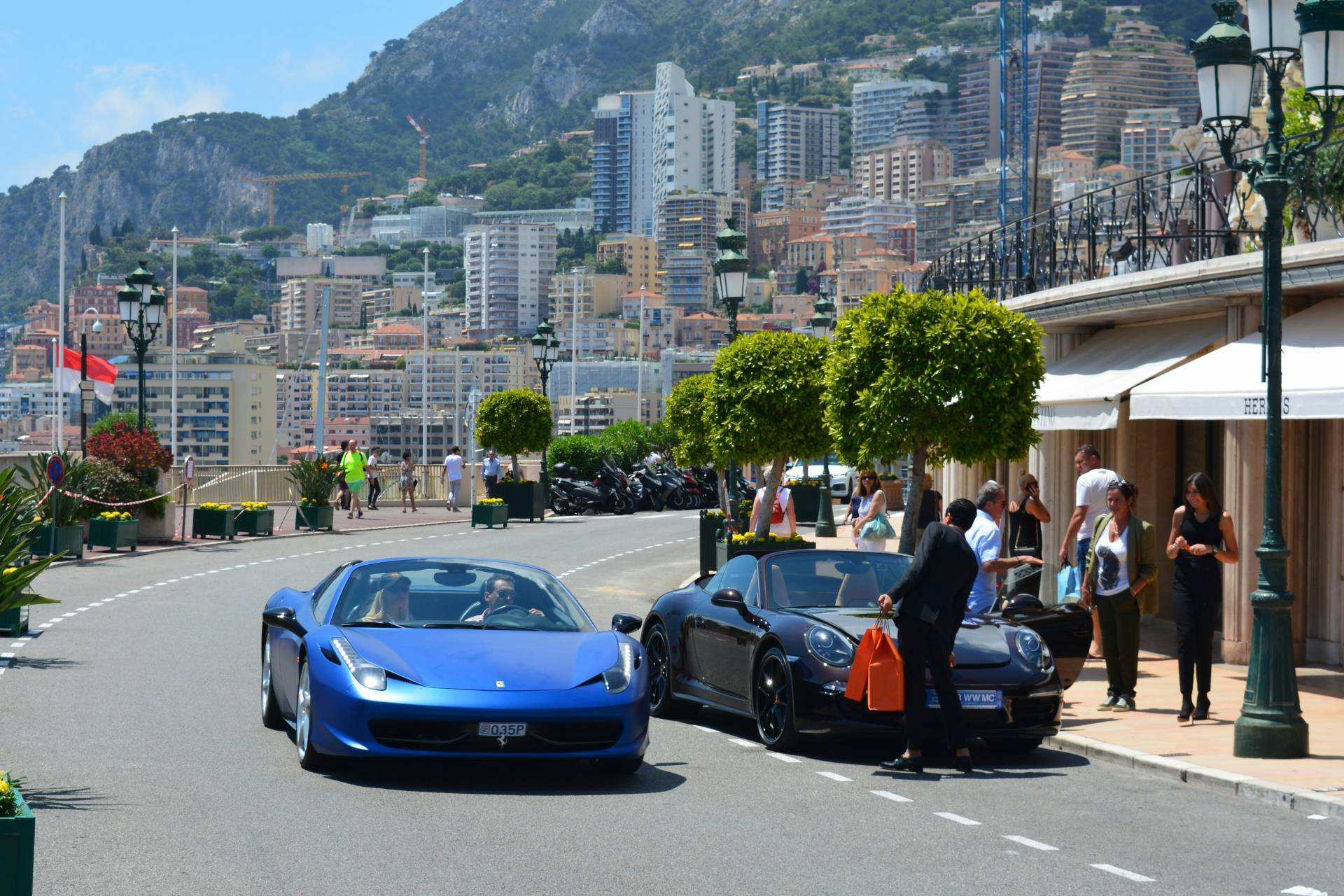
  • Two luxury sports cars on a waterfront street in Monte Carlo, with upscale shops, high-rise buildings, and green hills in the background.

    Dubai vs Monaco - Where Billionaires Buy in 2026

    Two zero-tax jurisdictions. Two fundamentally different investment theses. In 2026, the choice between Dubai and Monaco has become more nuanced — and more consequential — than at any point in the past decade. Polarius analyses both markets in depth.

    Read more
  • Hôtel Ritz Paris, Place Vendôme — emblematic of European trophy hospitality assets driving institutional investment in 2026

    The Off-Market Shift: European Luxury Hotel Investment in 2026

    For much of the post-pandemic cycle, European hotel investment has been characterised by openly marketed processes — published teasers, structured information memoranda, broker-led auctions. That model is now being quietly displaced at the upper end of the market. The largest trophy transactions of 2026 are moving under exclusivity, intermediated through closed networks, and concluding with a single qualified buyer.

    For institutional capital, family offices and sovereign vehicles, the question is no longer whether the right opportunities exist in European luxury hospitality. It is how to access them.

    Read more
  • Rolling hills and stone estate in Le Marche, Italy — luxury property market insight | Polarius Real Estate

    Le Marche: The Last Undervalued Luxury Market in Italy

    While Tuscany and the Amalfi Coast have long captured the imagination of international buyers, a quieter story has been unfolding further up Italy's Adriatic coast.

    Le Marche - five provinces of medieval hilltowns, pristine coastline and UNESCO heritage - offers everything its more famous neighbours do, at prices that remain, by any European luxury standard, startlingly undervalued.

    In 2026, with Italy's flat tax regime now attracting serious ultra-high-net-worth attention and national property prices rising at their fastest rate in a decade, the window for early-mover advantage is narrowing. This is the case for Le Marche.

    Read more
  • Belle Époque luxury villa overlooking the Mediterranean in Hyères on the French Riviera

    Why Hyères Is Quietly Becoming the French Riviera’s Next Luxury Escape

    For decades, the narrative of Riviera luxury has revolved around the same names: Saint-Tropez, Cannes, Cap-Ferrat and Monaco. Yet a subtle shift is beginning to emerge among high-net-worth travellers and second-home buyers searching for something increasingly rare on the Côte d’Azur: privacy, authenticity and space.

    That shift is bringing new attention to Hyères.

    Long appreciated by sailors, artists, nature lovers and discerning French families, Hyères has historically remained outside the international luxury spotlight that transformed other Riviera destinations into global status symbols. Today, however, changing travel behaviour and evolving definitions of luxury are positioning this Mediterranean town as one of the most interesting emerging lifestyle destinations in Southern Europe.

    Read more
  • London skyline representing prime central London property market trends and 2026 real estate repricing

    London Prime Property Market 2026: Are Prices Finally at a Floor?

    After several years of volatility, London is no longer a momentum-driven market. It is a pricing-driven one. For much of the past decade, prime London property was defined by competition, urgency, and upward pressure on values. 

    Today, the dynamics are markedly different. Activity has slowed, sentiment has softened, and pricing has adjusted.

    Yet for experienced investors, this is precisely where opportunity begins to emerge.

    Read more
  • Mykonos luxury villa with infinity pool overlooking the Aegean Sea alongside an Ibiza villa with panoramic Mediterranean sea views — Polarius International Real Estate Summer 2026 guide

    Mykonos vs Ibiza? The Definitive Luxury Villa Guide for Summer 2026

    Mykonos or Ibiza? Two icons of Mediterranean luxury, two entirely different summer experiences — and very different price points. Our 2026 guide compares villa rental costs, atmosphere, guest profiles and availability across both islands, with a curated selection of exceptional properties for private rental this summer

    Read more
  • Luxury Bali villa resort with infinity pool and tropical hillside landscape in daylight, highlighting real estate investment opportunities for international buyers in Bali 2026

    Bali Real Estate Market Insights 2026

    An in-depth look at the Bali real estate market in 2026, covering pricing, yields, zoning, compliance, tourism demand and the areas drawing the strongest investor interest. From Uluwatu and Pandawa to Canggu, Seminyak and Ubud, this guide outlines the key opportunities and risks for international buyers considering Bali property.

    Read more
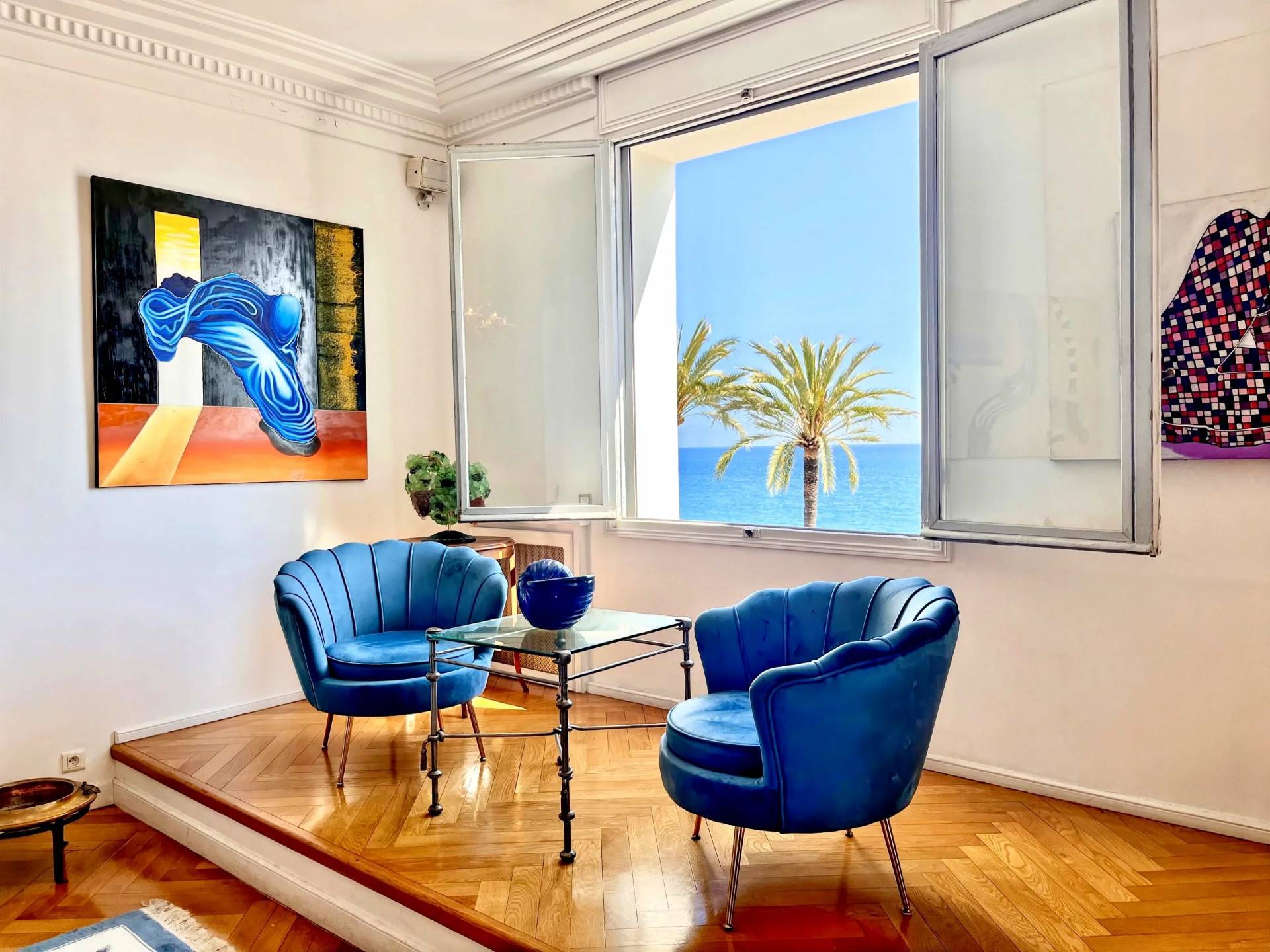
  • Panoramic sea view from an off-market penthouse in Cap-d’Ail on the Côte d’Azur

    Côte d'Azur Property Market 2026: Where Luxury Buyers Are Looking Beyond Cannes and Monaco

    The Côte d’Azur luxury market continues to show resilience in 2026, with growing demand for rare off-market homes in prime locations close to Monaco. Buyers are increasingly focused on panoramic sea views, privacy, outdoor living space and turnkey properties in sought-after destinations such as Cap-d’Ail and Villefranche-sur-Mer.

    Read more

This site is protected by reCAPTCHA and the Google Privacy Policy and Terms of Service apply.