26 July 2026

Manchesterism: Andy Burnham's Manchester Property Blueprint. Can It Work Elsewhere?

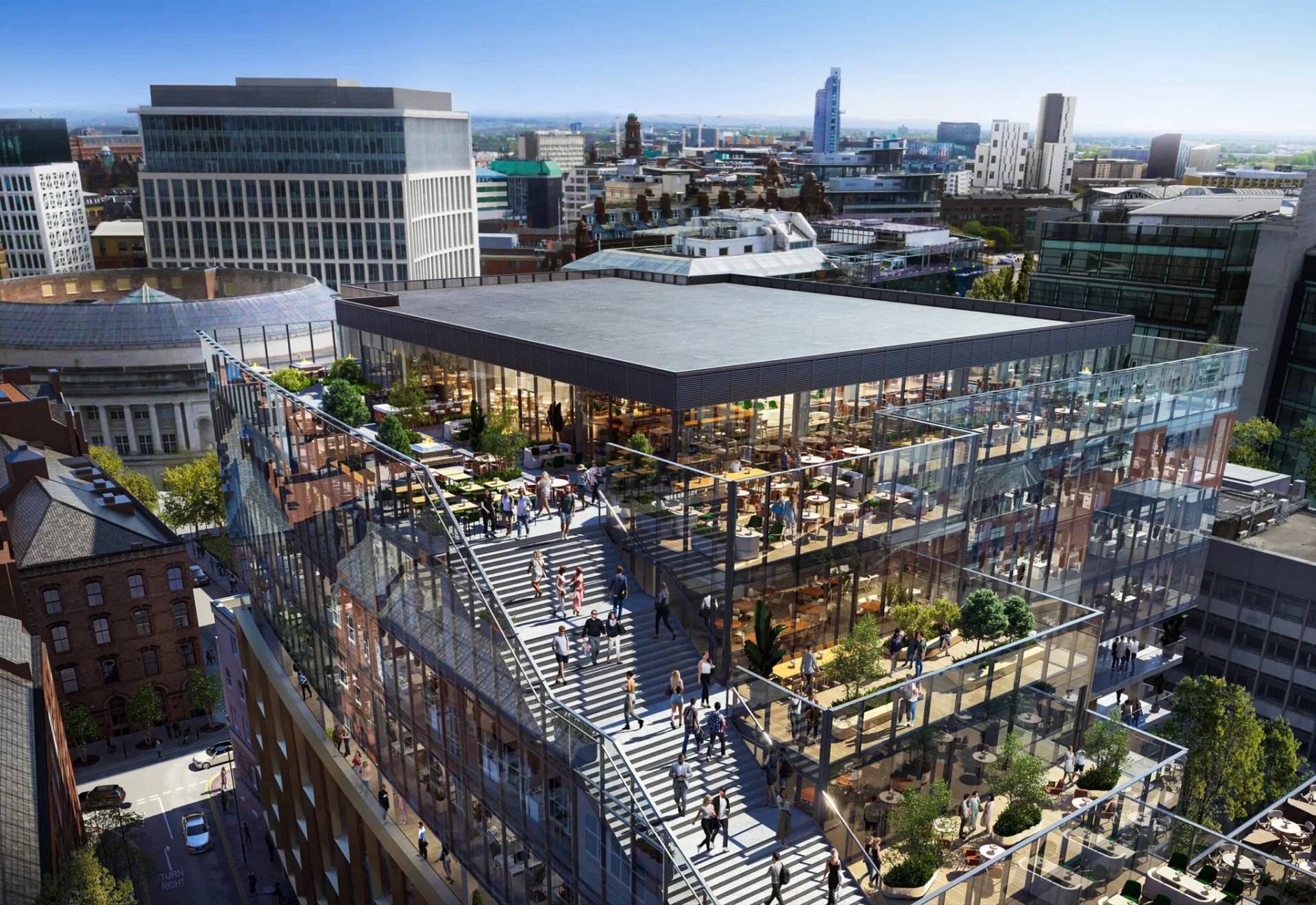
Aerial view of a stepped, terraced Manchester development with glass-fronted floors, landscaped rooftop terraces and outdoor dining, overlooking the city skyline

Most Prime Ministers arrive in Downing Street from a Westminster department. Andy Burnham arrived from a building site. On 20 July 2026 he was sworn in as Prime Minister of the United Kingdom, having stood down as Mayor of Greater Manchester weeks earlier to enter Parliament as MP for Makerfield — and he brings with him something rarer than a manifesto: a nine-year, on-the-ground record of what regeneration actually looks like when it works, written into a Manchester property market that has outpaced the national average as a result.

For anyone with a stake in that market, understanding what was built under Burnham's mayoralty — and why — has suddenly become a great deal more relevant than a piece of local history.

The Manchester Record

Burnham was elected Mayor of Greater Manchester in May 2017 and re-elected twice, most recently in 2024 with 63% of the vote. Over that period, Greater Manchester's economy grew at roughly twice the UK's national rate, and the change is visible in the fabric of the city itself:

  • Spinningfields, once a car park beside the River Irwell, is now Manchester's principal business district
  • Ancoats, a derelict mill quarter a decade ago, has drawn several hundred million pounds of private housing investment and is now among the city's most sought-after residential postcodes
  • NOMA, the St John's Quarter and Victoria North (formerly the Northern Gateway) represent a further multi-billion-pound pipeline of mixed-use regeneration, with Victoria North alone earmarked to deliver around 15,000 homes over the next two decades
  • The Bee Network — London-style franchised buses brought under public control after years of resistance from private operators — and continued Metrolink tram expansion have underpinned the case for higher-density living close to the centre
  • Aviva Studios (Factory International) opened in 2023 as a cultural anchor for the wider St John's Quarter regeneration

JLL forecasts cumulative Manchester property price growth of around 19% between 2024 and 2028 — second only to Birmingham among major UK cities — while new-build values in the prime central pockets (Deansgate, Ancoats, Salford Quays) now sit at £400–£500 per square foot.

It is worth being even-handed here: the record is not spotless. Housing completions lagged for much of Burnham's tenure before a 2023 devolution deal unlocked meaningful brownfield funding, and rough sleeping in Greater Manchester has risen for four consecutive years despite flagship schemes like Housing First. The lesson from Manchester is not that regeneration is easy or complete — it's that sustained, decades-long partnership between public investment and private capital reliably moves a market, even if it moves unevenly.

Why It Worked

Three features of the Manchester approach stand out, and they matter because Burnham has now said he intends to apply the same logic nationally:

  1. Long time horizons. The strategy predates Burnham himself — much of the groundwork was laid by Manchester City Council's Richard Leese and Howard Bernstein from the mid-1990s onward. Regeneration compounds; it does not arrive in a single term.
  2. Devolved control over transport and planning. Greater Manchester's mayoral powers over transport, skills and regeneration allowed decisions to be made locally rather than routed through Whitehall — something Burnham has argued, in his book "Head North" with Liverpool's Steve Rotheram, structurally disadvantages the English regions.
  3. Private capital following public commitment. Once transport and public realm investment de-risked an area, developer capital followed at scale — this is the mechanism behind Spinningfields, Ancoats and NOMA alike.

What This Means for Manchester Property Now

For buyers already considering Manchester, the practical read-through is continuity rather than disruption. The Trailblazer devolution deal, the Victoria North pipeline and the transport investment already committed do not depend on who holds the mayoralty — a successor will be elected to complete Burnham's current term, and the underlying planning and infrastructure commitments remain in place. If anything, having the architect of this strategy now in Downing Street strengthens the likelihood of continued central government backing for the projects already under way.

For international buyers, Manchester's proposition remains: strong rental yields (averaging around 6.6% city-wide, higher still in student-heavy postcodes), sustained inward corporate investment from the likes of Amazon, Google and AstraZeneca, and a still-meaningful discount to London on a per-square-foot basis — a contrast we explored in our recent analysis of the London prime property market. Polarius currently represents a select range of Manchester apartments for buyers looking to enter this market.

Can the Blueprint Travel to Other UK Cities?

This is the question Burnham himself is now being asked at national level, not just by property analysts. His "Manchesterism" speech in June 2026 and the "Head North" agenda he has set out with Rotheram both argue explicitly that the Manchester model — devolved power, patient public investment, transport-led regeneration — should be extended to other post-industrial English cities and towns, not just repeated in the largest conurbations.

Early signals of the approach becoming policy rather than rhetoric include proposed mayoral development vehicles for towns such as Bolton, Leigh and Middleton, and the framing of a wider "regional regeneration" push as a first-term priority in office. Reuters has reported that reversing decades of hollowed-out town centres — using public money to pump-prime housing and transport ahead of private investment — is expected to be a defining theme of his premiership.

Whether this scales nationally is genuinely open. Manchester's transformation took the better part of thirty years, survived several changes of national government, and relied on a specific combination of scale, existing institutional infrastructure and long-tenured local leadership that not every city currently has in place. Cities like Birmingham, Leeds and Liverpool each have elements of that mix already — devolved mayoral powers, live regeneration masterplans, transport investment in progress — but none has yet compounded them over as long a period as Greater Manchester.

For property investors, the practical implication is to watch the same three signals that made Manchester work: which cities are getting genuine devolved transport and planning control, where public infrastructure spend is landing first, and where private capital is following it. Those are usually the earliest, and most reliable, indicators of where the next decade of UK regional property growth will concentrate.


Back

The latest press articles

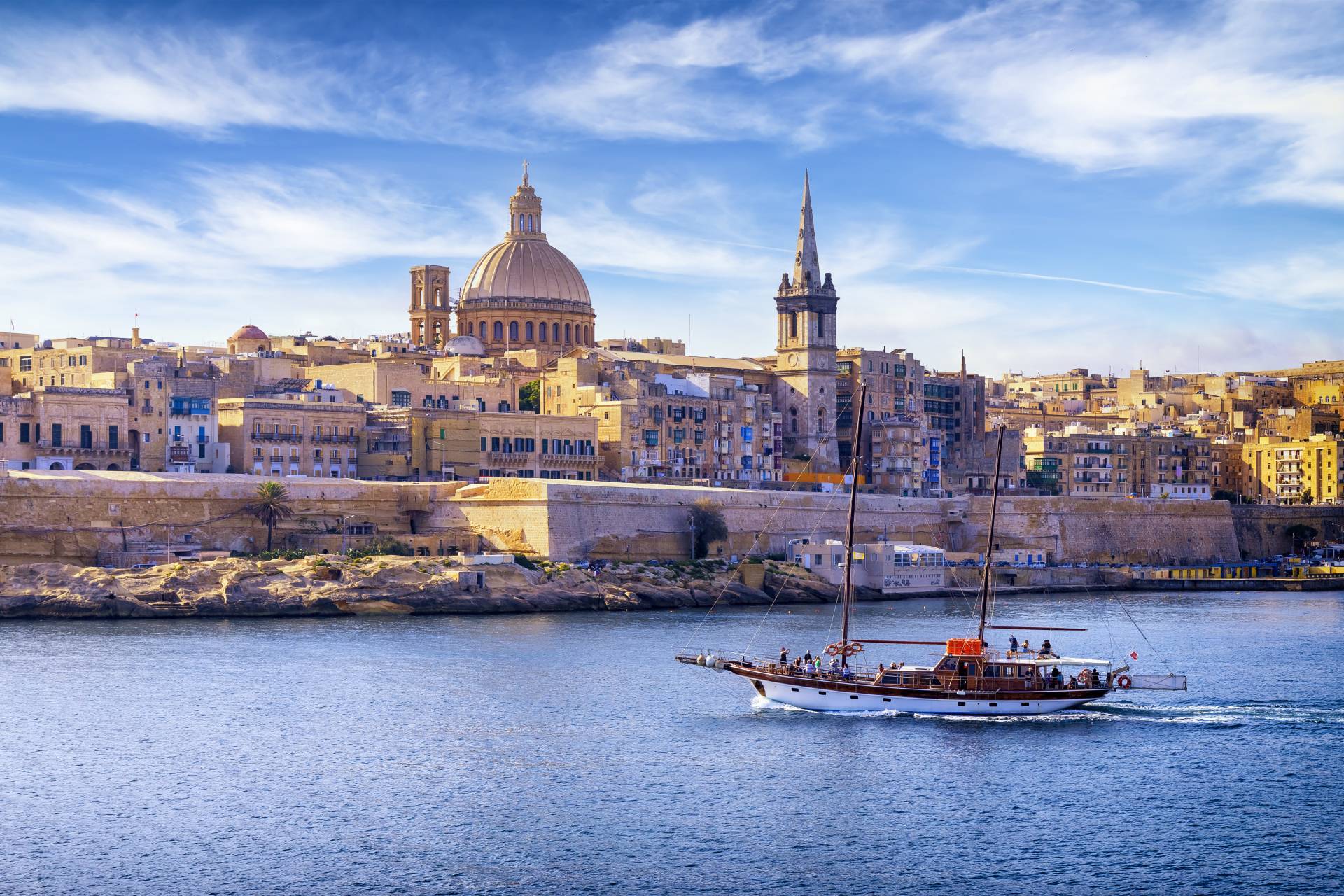
  • Luxury penthouse in Malta sold to UK buyers amid global uncertainty, showcasing Malta’s resilient property market

    Malta Property Market 2026: Resilience, Prices & Why UK Buyers Are Still Buying

    March marks Malta’s Independence and Freedom Day - a reminder of the island’s political stability and enduring appeal to international investors. Even amid global uncertainty, Malta’s property market remains resilient, attracting high-value buyers, as demonstrated by the recent sale of a luxury penthouse to UK investors.

    Read more
  • Geopolitical uncertainty and global property investment trends influencing safe-haven real estate markets

    Safe-Haven Property 2026: Why HNW Investors Are Choosing Monaco and UAE Over Traditional Markets

    How political instability is reshaping international property investment — and why Monaco and the UAE are emerging as long-term safe-haven destinations for global capital.

    Global real estate markets are entering a period where geopolitics is no longer a background consideration, but a primary driver of investment behaviour. Beyond interest rates and inflation, political stability, legal certainty and jurisdictional security are increasingly shaping where international buyers choose to deploy capital.

    Political unpredictability in the United States, including abrupt policy signals and election-driven volatility, ongoing conflict in Eastern Europe, and rising geopolitical tensions around strategic regions such as Greenland have reinforced a more cautious and selective investment mindset among high-net-worth individuals and family offices.

    In this environment, premium real estate is increasingly viewed as a safe-haven allocation — not purely for yield, but as a mechanism for long-term capital preservation, diversification and protection against geopolitical risk.

    Read more
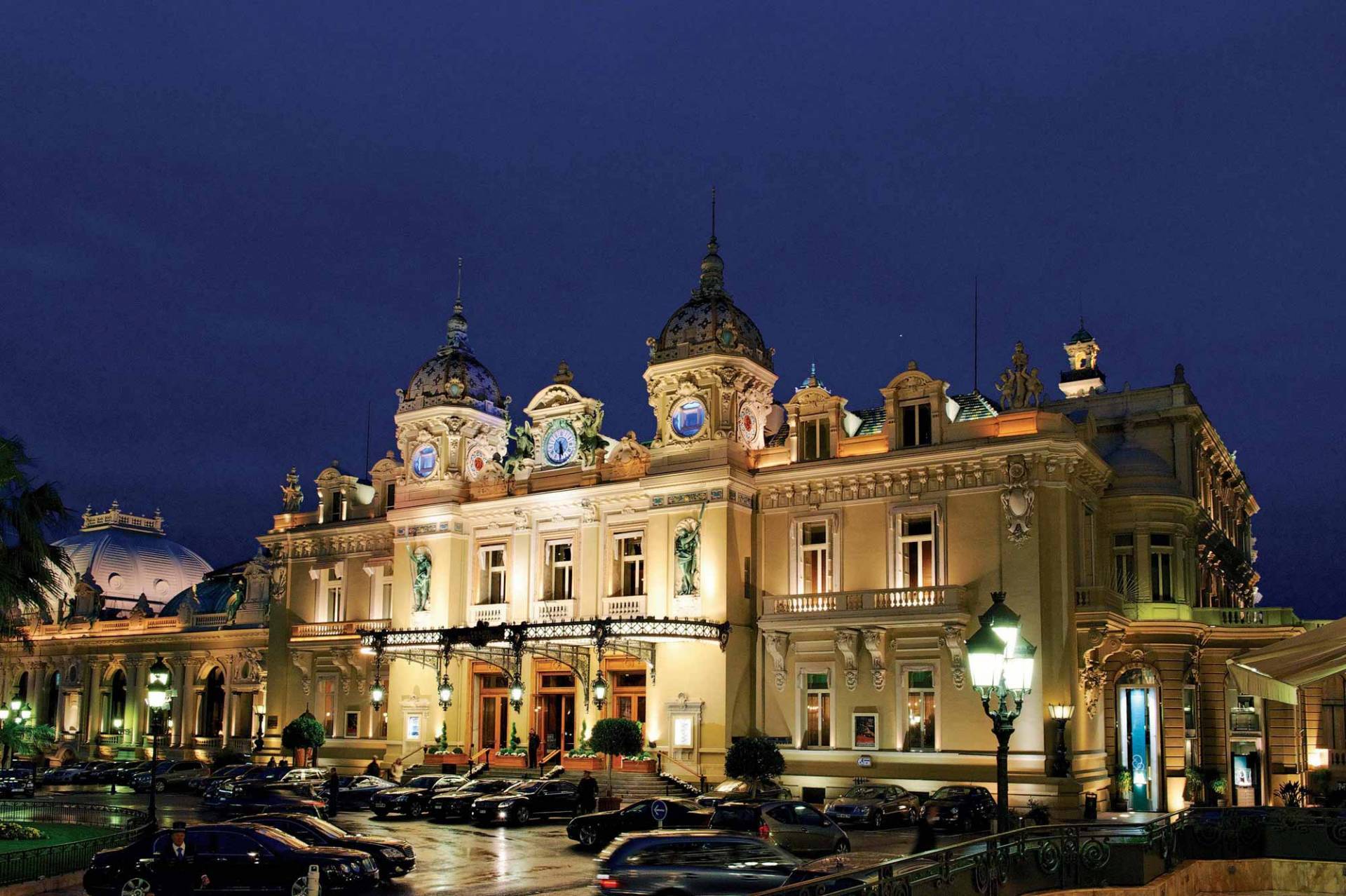
  • Monte Carlo Casino in Monaco, a landmark at the centre of the ultra-prime Monaco luxury property market

    Monaco Luxury Real Estate 2026: Has the Principality Lost Its Gloss - Or Is This a Strategic Reset?

    For years, Monaco luxury real estate has appeared almost untouchable. Prices per square metre have set European benchmarks, demand has consistently outpaced supply, and the Principality’s reputation as a secure wealth jurisdiction has shielded it from wider volatility. Yet in 2026, a more deliberate pace defines the market.  Deals are progressing, but without the urgency that characterised the post-pandemic surge. Negotiations are firmer. Buyers are more forensic. 

    Has Monaco lost momentum - or is the world’s most expensive property market entering a more disciplined era?

    Read more
  • Exterior of 5 & 7, a boutique hotel for sale in Roujan, Southern France

    LGBTQ Resort & Hotel Investments in Europe: Why Boutique Hospitality in Southern France Is Emerging as a Strategic Opportunity

    Explore two character-driven hospitality properties for sale in Occitanie — 5 & 7 in Roujan (Hérault) and a former gay chambres d’hôte in Ambax, Haute-Garonne — positioned within Europe’s growing LGBTQ travel market.

    Read more
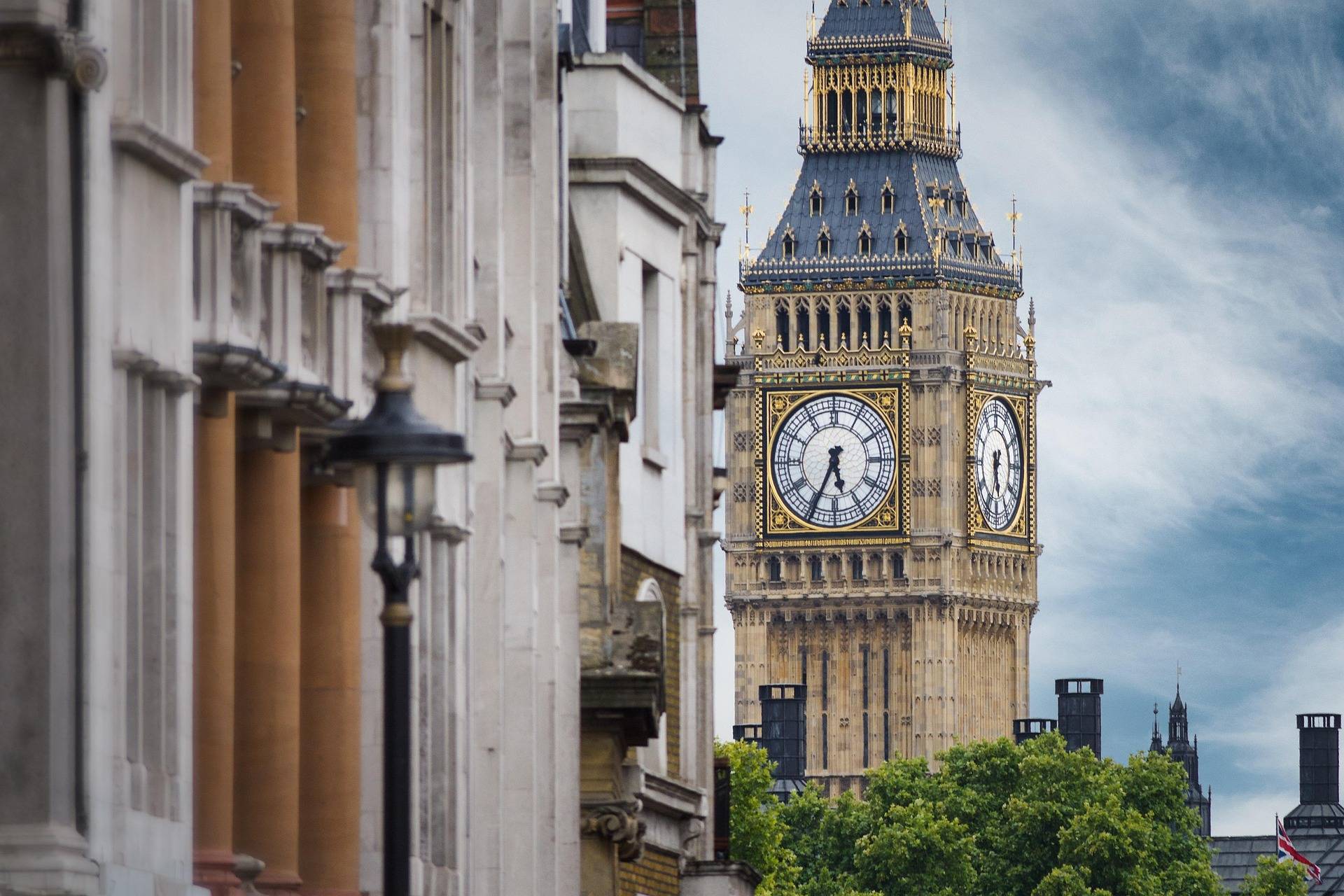
  • Big Ben and the Palace of Westminster seen from a prime London street, symbolising London’s global status and heritage architecture

    Why London Remains a Top Five Global City for Prime Property Investment in 2026

    Despite global economic uncertainty and more selective buyer behaviour, London real estate continues to stand out as one of the world’s most resilient and internationally sought-after prime residential markets. Demand is not disappearing — it is becoming more focused, more value-driven, and increasingly concentrated in London’s strongest neighbourhoods.

    Read more
  • Ransome's Wharf Battersea: modern waterside apartments near the Thames

    Ransome's Wharf Battersea: Waterside Living in One of London's Most Sought-After Addresses

    Imagine waking up just steps from the Thames, in a historic dockside setting that blends calm waterside living with the energy of London at your doorstep.

    Ransome's Wharf in Battersea offers a rare opportunity to own a home where city life and tranquility coexist effortlessly

    Read more
  • Aerial view of Saint-Jean-Cap-Ferrat on the French Riviera, showing a lush peninsula surrounded by the Mediterranean Sea, luxury villas and yachts, with text introducing off-market real estate and hospitality assets.

    What Are Off-Market Properties?

    A discreet route to acquiring the world’s most prestigious real estate and hotel assets

    In the upper tiers of global real estate, many of the most exceptional opportunities are never publicly advertised. Commonly referred to as off-market listings, off-market properties or off-market real estate assets, these assets are sold quietly, privately, and often only shared with a very select group of qualified buyers.

    At Polarius International Real Estate, off-market transactions form a core part of what we do. Increasingly, this includes off-market hotel assets, alongside ultra-prime residential estates and strategic investments worldwide. From discreet villas on the Côte d’Azur to landmark hospitality assets, our role is to act as a trusted gateway to opportunities that simply do not appear on public portals.

    Read more
  • Luxury branded Mercedes Benz residences in Dubai

    Branded Residences: A Global Trend or a Maturing Investment Asset Class?

    Branded residences have evolved from a niche extension of luxury hospitality into a recognised global real estate asset class. Once concentrated in resort destinations and ultra-prime city centres, they are now appearing across a wider range of international markets, attracting investor interest from the Middle East, Europe, and Asia-Pacific.

    For investors, the key question is no longer whether branded residences are here to stay, but where branding genuinely enhances long-term value, liquidity, and exit potential.

    Read more
  • Luxury seasonal rental villa with private pool on the French Riviera, Mykonos or Ibiza — Polarius International Real Estate

    Luxury Seasonal Rentals — French Riviera & Monaco | Ibiza | Mykonos

    The luxury seasonal rental market across the French Riviera and Monaco, alongside select ultra-prime destinations such as Ibiza and Mykonos, continues to be defined by scarcity, discretion and experience-led demand.

    Read more
  • Global luxury real estate investment map showing prime markets in UAE, Mediterranean and UK for high-net-worth buyers 2026

    Polarius Global Property Index 2026

    Where High-Net-Worth Buyers Are Buying in 2026 (And Why): UAE vs Mediterranean vs UK

    A New Phase For The Global Real Estate Market

    The global real estate market has entered a new era shaped by international property investment and increasingly sophisticated global property investment strategies. In the luxury property market of 2026, buyers are no longer asking where prices are rising fastest — they are asking where HNWIs are buying to protect capital, secure lifestyle and build a resilient global property portfolio.

    Family offices, private investors and internationally mobile entrepreneurs are prioritising wealth preservation properties across multiple jurisdictions rather than concentrating risk in a single country. This is the defining trend behind modern family office real estate strategies, and it is why Polarius operates as a multi-country real estate platform rather than a local agency.

    Read more

This site is protected by reCAPTCHA and the Google Privacy Policy and Terms of Service apply.